Is Tahiti Nicer Than Bora Bora?
A research-based comparison of Tahiti and Bora Bora for snorkelers: lagoon quality, costs, logistics and which island deserves your days.
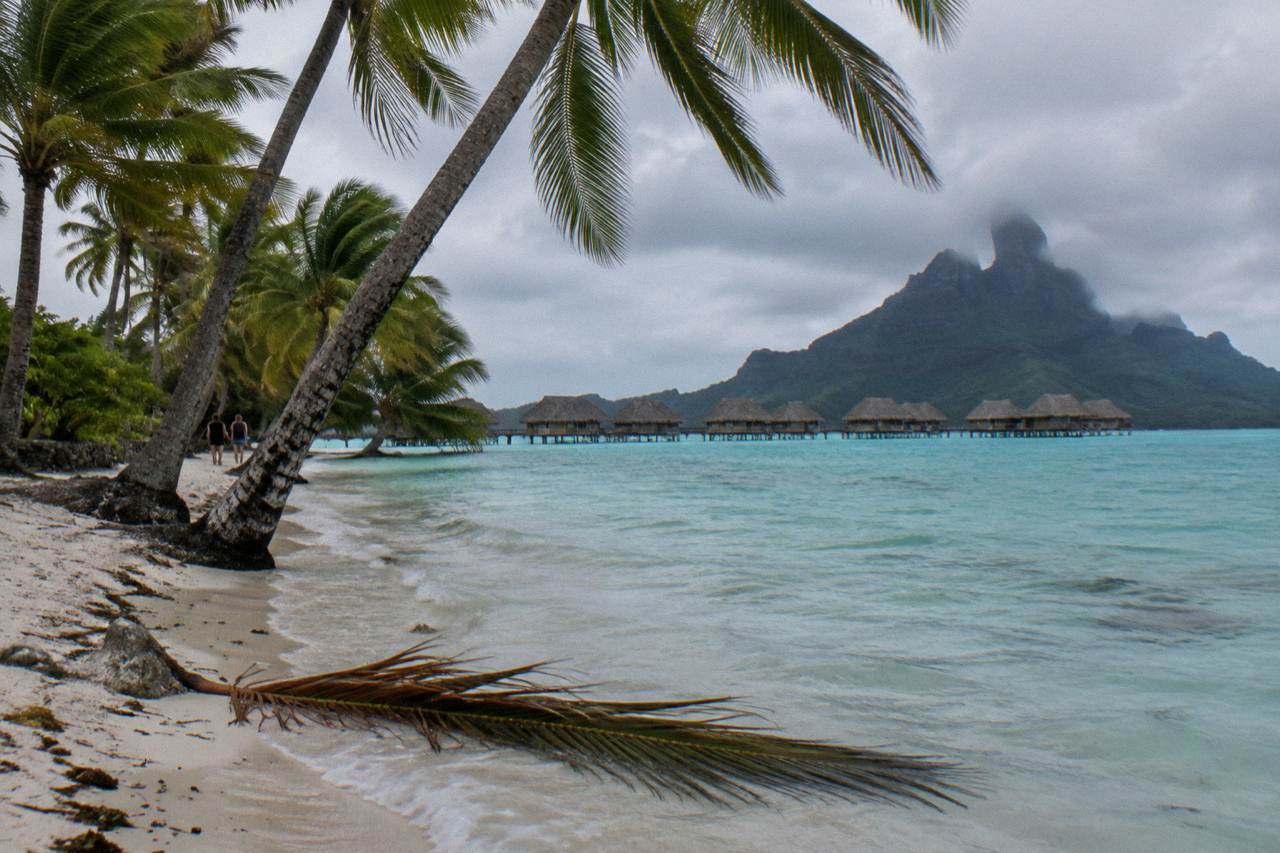
French Polynesia recorded roughly 281,227 tourist arrivals in 2025, up 6.6 percent on 2024, and nearly every one of those visitors faced the same first decision: stay on Tahiti, the gateway island with the international airport, or add the connecting flight to Bora Bora. The honest answer is that neither island is "nicer" in any absolute sense. They do different jobs. Tahiti is a big, green, populated island with black-sand surf beaches, waterfalls and Papeete's markets. Bora Bora is a small island sitting inside a lagoon built for snorkeling, and that single difference decides most of the comparison for anyone whose priority is the water.
This site exists because of that difference. We compared the listings, the official climate data and the fresh 2026 reporting so that a reader choosing between the two islands can settle the question quickly and, if the answer is Bora Bora, get straight to picking a lagoon tour.
How Do The Two Islands Compare?
Neither island wins outright, but for a snorkeling trip Bora Bora is the stronger choice, while Tahiti takes the prize for variety, price and ease of arrival. If your goal is a shallow, sheltered lagoon with coral gardens plus shark and ray sites minutes away by boat, pick Bora Bora; if you want reefs, surf beaches, mountains and city life at lower cost, pick Tahiti.
Start with the water, because that is the comparison this site cares about. Bora Bora is a near-enclosed lagoon ringed by motu, the small coral islets that break the ocean swell. Operators describe it as calm, clear and beginner-friendly for most of the year, with the dry season from May to October bringing the calmest conditions. A sea-temperature series puts the lagoon between 26 and 29 degrees Celsius year round, so warmth is never the deciding factor. What Bora Bora sells is access: sharks, rays, coral gardens and manta cleaning stations are all short boat rides from the resorts and the Vaitape quay, and the island's whole tour economy is built around reaching them in half a day or a full day with lunch on a motu. Before you book that lagoon day, our guide to Bora Bora safety right now covers the wildlife rules, health details, and snorkel conditions worth checking first.
Tahiti is a different animal. It is the largest and most populated island in French Polynesia, home to Papeete, the capital, and to Faa'a airport, where every international flight lands. Its coastline mixes black volcanic sand with reef flats, its interior holds jagged peaks and waterfalls, and its west coast carries the famous surf spots of Teahupo'o, waves that belong to board riders rather than snorkelers. Good snorkeling exists, particularly on the Tahiti Iti peninsula and at a handful of lagoon sites, but visitors who want the classic Polynesian lagoon experience from Tahiti usually take the 30-minute ferry to Moorea instead. That tells you something: Tahiti's strength is as a hub, not as the destination for the water itself.
There is also the matter of what "nicer" means to a budget. Tahiti has guesthouses, local snack trucks and a real resident economy, so daily spending can run lower. Bora Bora is openly expensive, dominated by resorts, and the things that make it special, the boats, the guides, the motu lunches, cost money. Neither island is cheap; one is simply priced like a destination and the other like a city that happens to be in paradise.
A reader deciding between them for a snorkeling trip usually settles on Bora Bora once they see the tour options side by side. These three are the most-booked styles on the island: the full-day lagoon tour with a motu lunch, the Reef Discovery half day, and the eco shark and ray cruise.
How Do The Two Islands Compare For Snorkeling?
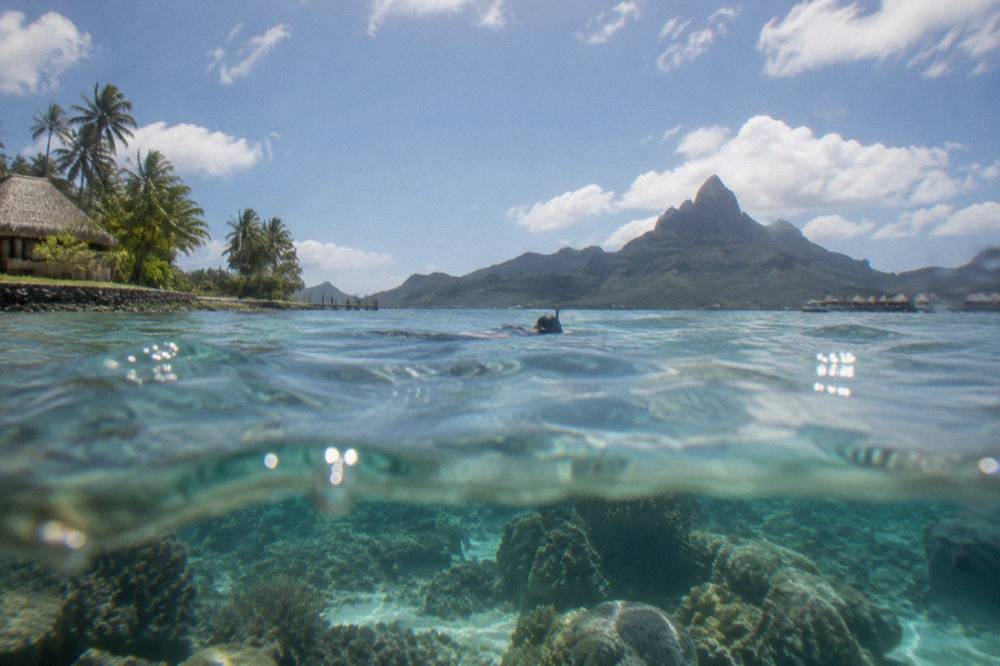
Bora Bora is the better snorkeling island by most measures that matter: sheltered water, a dense concentration of boat-access sites, and a tour lineup built entirely around the lagoon. Tahiti's snorkeling is real but dispersed, sharing its coast with surf breaks and sitting farther from the classic sheltered-lagoon conditions, with Moorea often outscoring it. For a visitor whose main activity is a mask and fins, Bora Bora wins on access and consistency. For a closer look at that rival, the Moorea vs Bora Bora snorkeling comparison weighs the lagoons, the marine life, and the tour setups to show which island suits a mask-and-fins trip better.
On Bora Bora the headliner sites sit inside the lagoon. Boat tours reach coral gardens, shark and ray sandbars, and the Anau manta ray cleaning station on the east side, which current guides describe as boat-access only, with no recommended shore entry. Matira Beach is the one reliable shore option on the main island, a free public beach with shallow water over sand. And the marine protection picture is evolving: December 2025 brought a 574-hectare no-take zone, the Popora rahui, on the southern reef off Matira, closed to boats and all nautical activity, so tours route around it rather than through it. The sites you can book, the coral gardens, the Aquarium area near Motu Pitiuu Uta, the ray sandbars, are unaffected.
Tahiti's water story is broader but shallower as a snorkeling proposition. The island's fringing reef and lagoon areas produce decent conditions in places, and the peninsula has spots that locals rate highly. But the island's shoreline faces more open water in stretches, river runoff from the volcanic interior can color the nearshore sea after rain, and the island's fame in the water rests on waves rather than fish. The listing landscape mirrors this: Tahiti has surf schools, dive centers and 4WD tours; Bora Bora has dozens of competing lagoon snorkel operators, several with over a thousand reviews each. Where the operators cluster, the conditions are.
| Factor | Tahiti | Bora Bora |
|---|---|---|
| Dominant water identity | Surf, diving, lagoon spots on the peninsula | Sheltered lagoon snorkeling, sharks, rays, coral gardens |
| Shore snorkeling | Possible at scattered spots | Matira Beach, the main free public option |
| Signature boat trips | Lagoon and dive trips, often via Moorea | Half-day and full-day lagoon tours with motu lunches |
| Consistency | Variable, exposed stretches | Calm most of the year, best May to October |
| Best for beginners | Selected sheltered spots | Most lagoon tours, flotation commonly offered |
That consistency claim deserves a quick grounding. The Meteo-France climate sheet for Bora Bora's station shows the dry season clearly: monthly rainfall falls from 245 mm in January to 61.9 mm in July, and rain days drop from 17.2 to 9.4 across the same span. Operators and guides describe clearer water in those months. Tahiti, larger and taller, catches more orographic rain on its interior, though its leeward coasts enjoy the same broad dry season. Neither island is a bad water destination; one is simply purpose-built around a lagoon.
If that comparison points you toward Bora Bora, the follow-up question is which tour actually delivers the classic day. The full-day lagoon group tour with lunch is the one most first-time visitors choose, and it is the most reviewed listing on this site's lineup.
Where Should You Base A Snorkeling Trip?
Base on Bora Bora if snorkeling is the point of the trip and the budget allows three or more nights; base on Tahiti if the trip mixes city, mountains, hiking and short reef swims, or if costs matter more than lagoon quality. Many visitors split the stay, using Tahiti as the arrival night and Bora Bora as the water base, which the flight schedule makes easy with multiple daily connections.
The practical logic is about time on the water. Every day based on Bora Bora can include a lagoon tour, a Matira swim or a private boat outing without planning around transfers. A day based in Papeete spent reaching Bora Bora's lagoon is mostly a travel day: the domestic flight is short, roughly 50 minutes, but add airport time on both ends and the boat transfers, and the day is gone. Guests on cruise calls face the same math compressed, which is why shore-excursion comparisons so often favor booking an independent lagoon tour that meets the tender schedule at the Vaitape quay, a topic covered in detail in the cruise shore excursion guide.
Nights matter too. Bora Bora's accommodation is dominated by resorts, with a thin layer of small pensions; Tahiti offers a far wider spread of guesthouses and mid-range hotels, which is why the budget question and the base question are really the same question. A five-day budget breakdown across both islands appears in the five days in Bora Bora cost piece, and the pattern it shows is consistent: Tahiti absorbs visitors at many price points, Bora Bora rewards visitors who arrive with the big costs already decided.
For a snorkel-focused split stay, the Reef Discovery half day is a smart first tour: it circles the lagoon's sites in three and a half hours from $134 per person, holding a 5.0 rating across 1,051 reviews, with pickup and gear listed as included.
After it, Matira's free public beach rounds out a water day at no extra cost, and the ring road, 32 km, about 45 minutes non-stop, keeps the whole island within easy reach of wherever you sleep.
What Does Each Island Cost?
Tahiti runs cheaper on lodging, food and local transport; Bora Bora runs cheaper per memorable water hour, because its core experience, a lagoon tour, costs about the same as equivalent tours elsewhere in French Polynesia while delivering the island's headline activity in one booking. Lineup prices for Bora Bora lagoon tours run from $105 per person for the cheapest shared half day to $1,776 per group for a private full-day charter.
The two cost structures barely overlap. On Tahiti you can eat at a roulotte food truck in Papeete, stay in a family pension and rent a car cheaply. On Bora Bora the resort floor sets the tone, restaurant prices follow, and the smart money goes into the activities, which are competitively priced precisely because so many operators compete on the same lagoon. The 2026 fresh reporting puts shared lagoon tours with sharks, rays and coral garden stops in a typical range of roughly $80 to $200 per person, and this site's own lineup sits squarely inside it.
| Bora Bora tour style | Lineup price | What it includes (as listed) |
|---|---|---|
| Half-day shared lagoon snorkel | from $105 to $151 per person | Pickup, snorkel gear, 2.5 to 5 hours on the water |
| Full-day lagoon tour with motu lunch | from $144 to $224 per person | 6 to 7 hours, lunch or BBQ on a motu, gear and pickup |
| Small-group or catamaran cruise | from $309 per person | 4-hour sail with snorkel stops and a floating bar |
| Private boat charter | from $560 to $1,776 per group | 3 to 6 hours, your own guide and schedule |
Two tax and logistics notes round out the money picture. The visitor tax, the taxe de séjour, runs 200 XPF per person per night in classified hotels and cruise ships and 50 XPF in other accommodations such as guesthouses, collected by providers; rates are changing in 2027, so check the commune's current schedule. And there is no regular passenger ferry between Papeete and Bora Bora, per current reporting on the route: the connection is by air, with direct flights operated multiple times daily by Air Tahiti and Air Moana.
How Do You Get From Tahiti To Bora Bora?
Fly: direct flights from Papeete's Faa'a airport to Bora Bora's Motu Mute airstrip take about 50 minutes and run several times daily on Air Tahiti and Air Moana, and there is no passenger ferry alternative. Arrival involves a short boat transfer from the airstrip to the main island, which sets the tone nicely: on Bora Bora, even the commute is on the lagoon.
The logistics are the easy part of the comparison. The 259 km hop is one of French Polynesia's busiest domestic routes, and the multiple daily frequencies mean a missed connection is an inconvenience rather than a disaster. Book the window seat on the approach, the aerial view of the lagoon is the moment many visitors stop asking which island is nicer. Cruise passengers experience the same reveal from the deck as ships anchor in the lagoon and tender to the Vaitape quay; the tender wharf sits about 50 m on foot from Vaitape, and the ride from anchorage typically takes 15 to 20 minutes.
Once on the ground, everything is close. Vaitape to Matira is about 7 km, roughly 12 minutes, and tours pick up from resort docks and the quay alike, as the listings state. The getting around and lagoon tour guide covers the pickup logistics in full. If the plan is a short stay built around one big day on the water, the eco snorkel cruise with sharks and stingrays compresses the highlights into two and a half hours from $112 per person, with a 4.8 rating across 604 reviews, free cancellation listed, and pickup included.
Timing the trip matters more than routing it. The dry season from May to October brings the lowest rainfall of the year, July's 61.9 mm against January's 245 mm on Bora Bora, and July and August bring the peak crowds and rates with it; May, June, September and October deliver similar weather with thinner crowds. Whale season runs July to November, and while no standard snorkel tour is a whale-watching product, operators in season sometimes sight them in transit, a bonus, never a promise.
Which Island Suits Which Traveler?
Choose Tahiti for a mixed trip of hiking, markets, surf-watching and short swims at lower daily cost, or as a one-night arrival base; choose Bora Bora when the trip exists for the water and the budget can carry three or more resort-or-pension nights plus a lagoon tour. Honeymooners, families with confident young snorkelers and photographers almost always land on Bora Bora; city lovers, surf fans and long-stay budget travelers land on Tahiti.
Put plainly, Tahiti rewards curiosity and Bora Bora rewards focus. If the dream list includes Papeete's market, a waterfall hike, an evening at the roulottes and a couple of relaxed swims, Tahiti delivers all of it without a second flight. If the dream list is sharks under the boat, rays in the shallows, coral gardens and lunch on a motu, that is a booking on Bora Bora, and no amount of Tahiti's scenery substitutes for it. The Bora Bora worth-it question digs into exactly that trade for visitors hesitating on the cost.
There is a useful middle path worth naming, because this site's readers take it often: arrive through Tahiti, spend the first night there to break the journey, then fly on and give Bora Bora the heart of the trip. This site, Bora Bora Snorkeling Tours, exists for the second half of that plan, and its tour comparison tools help settle the one decision left after the islands are chosen, private boat or shared group.
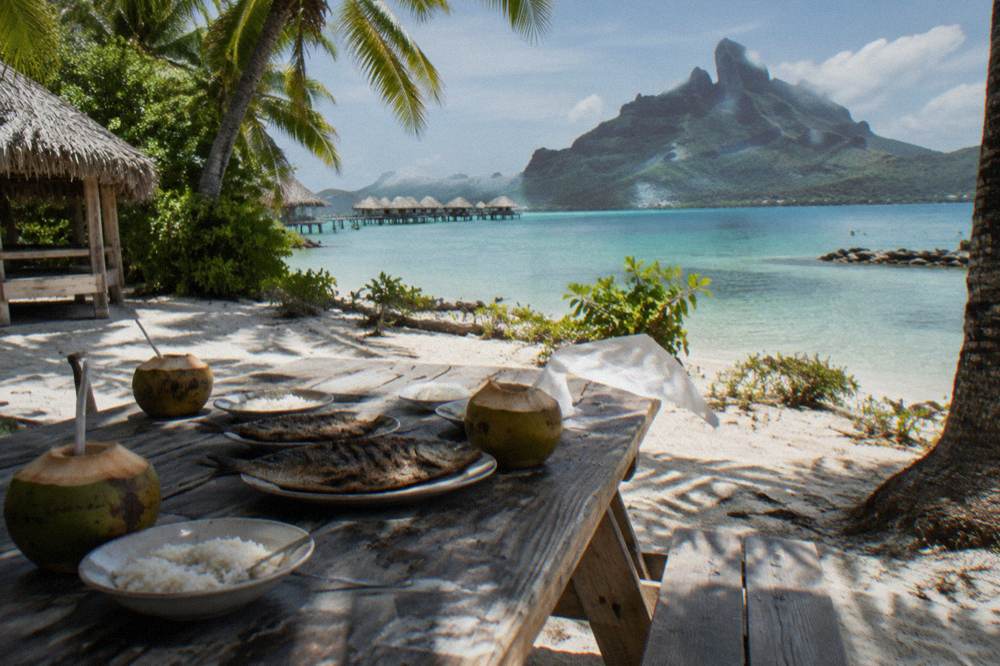
For the final word on focus, consider what the most reviewed operators on Bora Bora actually sell: a 6-hour day from $173 per person that circles the lagoon, stops at the coral gardens and ray sites, and feeds you on a motu, rated 5.0 across 1,715 reviews. Tahiti has nothing in its activity catalog with that kind of single-minded water identity, and that, more than any scenery ranking, is the answer most snorkelers arrive at.
Whether the trip settles on Tahiti, on Bora Bora, or on both, the water days worth booking on Bora Bora come down to three proven formats: the full-day lagoon tour with lunch, the Reef Discovery half day, and the eco shark and ray cruise.
Common Questions About Tahiti Or Bora Bora
How do Tahiti and Bora Bora compare overall as destinations?
Neither island is objectively nicer. Tahiti offers mountains, markets, surf watching and lower daily costs, while Bora Bora offers the sheltered lagoon snorkeling most visitors associate with French Polynesia. For a trip built around the water, Bora Bora is the stronger choice; for variety and value, Tahiti.
Can you snorkel straight from the beach on either island?
On Bora Bora, Matira Beach is the main free public option with shallow shore snorkeling; most other sites, including Anau's manta station, are boat-access only. Tahiti has scattered shore spots, particularly around its peninsula, but conditions are more variable.
How long is the flight between Tahiti and Bora Bora?
Direct flights from Papeete to Bora Bora take roughly 50 minutes and run multiple times daily on Air Tahiti and Air Moana. There is no passenger ferry between the two islands.
Which island is cheaper for a snorkeling trip?
Tahiti, on daily costs, thanks to guesthouses and local food. On Bora Bora the shared lagoon tours are competitively priced, with listings from $105 per person for a half day, but accommodation sets a higher floor.
Do you need to choose one island only?
No. Many visitors spend an arrival night on Tahiti and give Bora Bora the middle of the trip, using the frequent 50-minute flights to connect. This split suits snorkelers especially well.