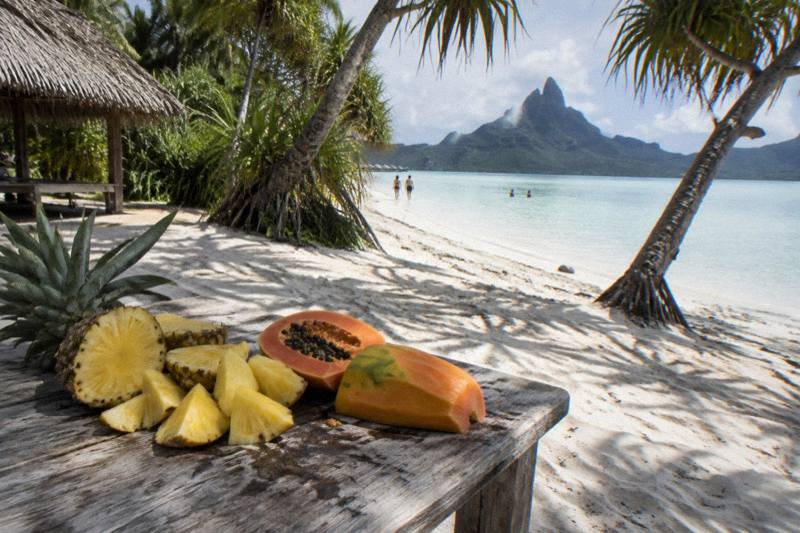
Matira Beach Snorkeling: What You Can See Without A Tour
Matira is the one place in Bora Bora where you can walk in from shore and snorkel for free. It is a genuine option, with real limits, and knowing where those limits sit tells you exactly when a boat tour earns its price.
Short answer
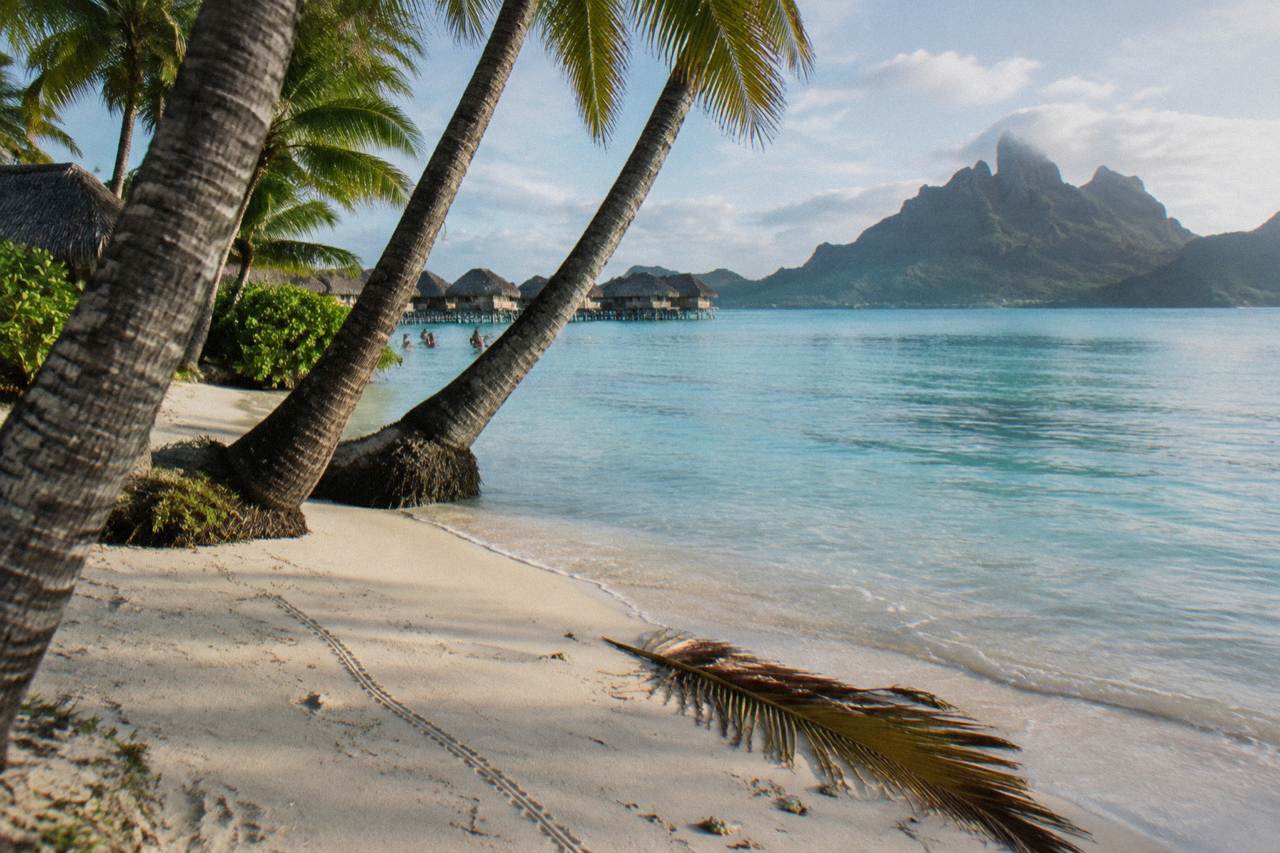
Yes, Matira Beach is free to access and you can snorkel from shore in shallow sand-bottom water, commonly seeing stingrays, butterflyfish, parrotfish and damselfish. But sharks, manta rays and the coral gardens are boat-only sites, so most visitors pair a Matira swim with a half-day boat tour from around $105 per person.
Matira Beach sits at the southern tip of Bora Bora's main island, and it carries a distinction nothing else on the island matches: it is the only public beach, free to access, with shallow lagoon water you can snorkel in without booking anything. Current guides to snorkeling in Bora Bora still list Matira as the one recommended shore spot, and they are honest about why, because the coral is described as not pristine and the headline animals live elsewhere. That tension is the whole story of this page. The beach gives you a free, easy, genuinely pleasant swim, and the lagoon's famous sites, the coral gardens, the shark and ray shallow, the Anau manta cleaning station, are all boat-only. This guide lays out exactly what the beach offers, what it cannot, and how the shared morning or afternoon snorkel boat, the Reef Discovery half day, and the full-day lagoon tour with lunch fit around a Matira day. If you want to see how Matira stacks up against the private motu beaches before you plan your days, our comparison of Bora Bora's snorkeling beaches covers the differences in access and what you can actually see from shore versus a boat.
What Can You Actually See Snorkeling At Matira Beach?
Snorkeling Matira from shore commonly puts you over sand and scattered coral in shallow, sheltered water, with stingrays, butterflyfish, Moorish idols, parrotfish, sergeant majors and damselfish reported as the regular cast. Guides rate it beginner level over a sand entry, and it costs nothing. What it does not offer is the reef shark and manta ray encounters that define the boat-access lagoon sites.
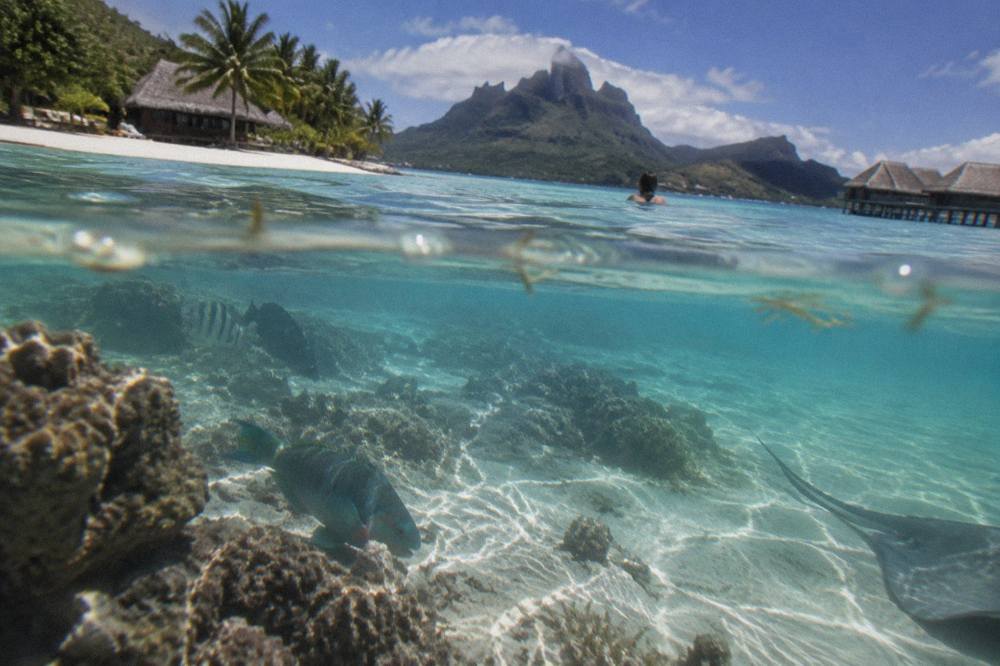
The reporting on Matira is consistent across recent guides. The depth over the snorkeling area is described as roughly 1 to 3 meters, the entry is over sand, and the fish list is a reef-community list rather than a megafauna list. Stingrays work the sandy shallows. Butterflyfish, damselfish and sergeant majors school around whatever coral structure there is, and parrotfish and Moorish idols pass through. It is the kind of snorkeling where you float, look down, and enjoy the light, rather than chase anything.
What the same guides say plainly is that coral condition at Matira is not pristine. That matters for expectations. If your frame of reference is postcard hard coral, the beach will read as a pleasant swim with fish, not a reef dive. If your frame of reference is a free hour in warm Pacific water steps from a towel and a drink, it delivers exactly that.
The animals Bora Bora is famous for do not come to Matira in any reliable way. Blacktip reef sharks, the species operators most commonly report on lagoon tours, congregate at boat sites around the motus. Manta rays use the Anau cleaning station on the east side of the lagoon, which is boat-access only now, with no public shore access recommended because of private property, currents and reef protection. Guides at Anau decide conditions and brief guests on manta etiquette: stay at the surface, stay calm and horizontal, never dive down, touch, chase or block the animals.
The practical read: Matira is a real snorkeling spot and a free one. It is simply a different product from the boat lagoon. Here is how the two actually compare.
| Matira from shore | Boat lagoon tour | |
|---|---|---|
| Cost | Free | From $105 per person in this lineup |
| Depth and entry | About 1 to 3 m over sand | Varies by stop, guide-led |
| Common sightings | Stingrays, butterflyfish, parrotfish, damselfish | Reef fish plus blacktip reef sharks and rays at dedicated stops |
| Coral | Scattered, described as not pristine | Coral gardens and outer-reef stops |
| Mantas | Not a shore sighting | Possible at Anau, boat access only, conditions permitting |
| Effort | Walk in | Pickup listed on tours |
For the fuller map of where each animal lives in the lagoon, see the Bora Bora snorkeling spots guide, which covers the boat-only sites in detail.
Is Matira Beach Really Free To Snorkel From Shore?
Yes. Matira is Bora Bora's only public beach, with free access, no gates, no entry fee and no resort requirement. You bring your own mask and fins and swim. The costs that exist are the ones you choose: gear rental if you do not have any, food and drink, and any boat tour you add. Nothing about the beach itself is paid.
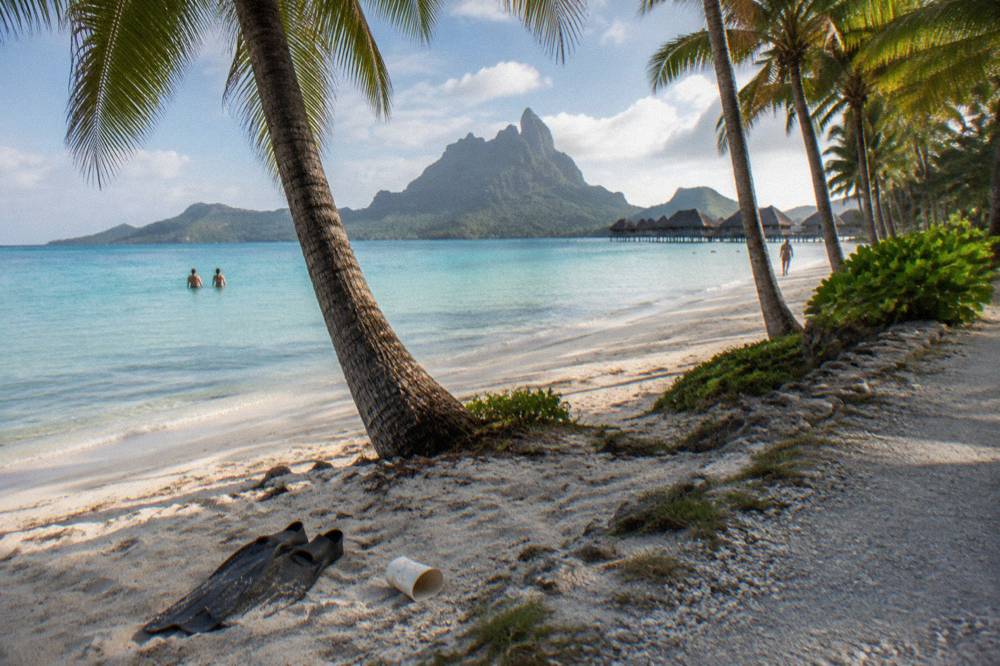
The free status is confirmed by multiple current sources, and it is unusual enough in Bora Bora to be worth stating firmly. Most of the island's shoreline is resort frontage or private land. Matira is the exception, a public beach at the southern end of the main island where the shallow lagoon water is suitable for swimming and snorkeling if you bring your own gear.
There is a second, newer layer to the free-access story that shore snorkelers should understand. In December 2025 a decree established the Popora rahui, a 574-hectare full-protection zone on the southern reef off Matira, roughly 7.2 km long. It is French Polynesia's first integral no-take lagoon reserve: all fishing, collection, nautical activity, anchoring, vessel movement and noise are prohibited inside it. The reserve's creation was reported by Radio 1 Polynésie when the decree was announced.
What that means for you is specific and reassuring. Matira's swimming and snorkeling area remains open and recommended; the rahui is a band of southern reef and lagoon that tours and boats do not enter. No boat tour on this site enters it, and none ever did, because the zone postdates every current itinerary. If a headline tells you Bora Bora is "closing", it is this reef band being protected, not the beach being shut.
The beach's other free roles are worth a paragraph. The sand itself, the view of Mount Otemanu at 727 m across the water, and the walk along the public waterfront at Vaitape are the backbone of a zero-cost day on the island, laid out in the free things to do in Bora Bora guide. The honest line from that research holds here too: the lagoon sites, the sharks, the rays and the motu picnics all need a boat. Matira is the free part of the day, not a free substitute for the lagoon.
Gear is the one place a "free" swim can quietly cost money. If you are staying at a resort, masks and fins are often available to guests. If you are not, rental exists around the beach, and the price of a day's rental is worth comparing against the cheapest half-day boat tours in the lineup, which start from $105 per person and include snorkel gear.
When Is A Boat Tour Worth It Over Matira Beach?
A boat tour is worth it when you want the things Matira cannot give you: the coral gardens, the blacktip reef sharks and stingrays at their congregation sites, and Anau's mantas. Lineup half-day boats run from $105 to $151 per person, full days with lunch from $144, and every one lists pickup and gear. Matira covers the free swim; the boat covers the lagoon's headline acts.
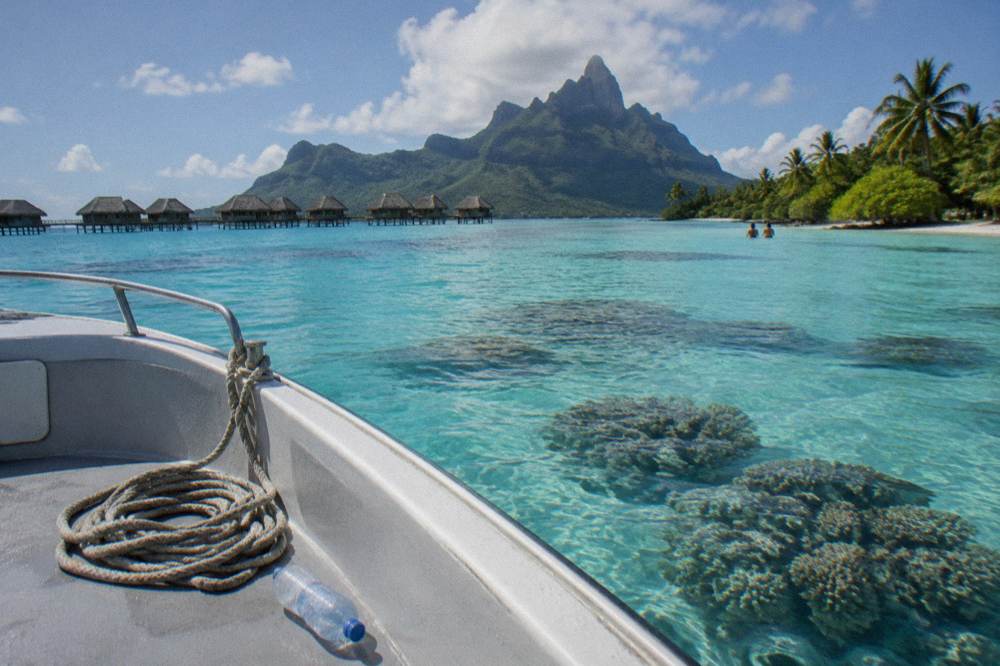
The decision is mostly about animals and secondarily about coral. Everything reported from Matira's shore water is reef fish and the occasional stingray over sand. Everything Bora Bora is photographed for, the ring of blacktip sharks in shallow water, the stingrays gliding around guests' legs, the mantas sweeping through a cleaning station, sits at boat sites scattered around the motus. No shore route reaches them, and at Anau the access question is settled: boat only, no shore access recommended.
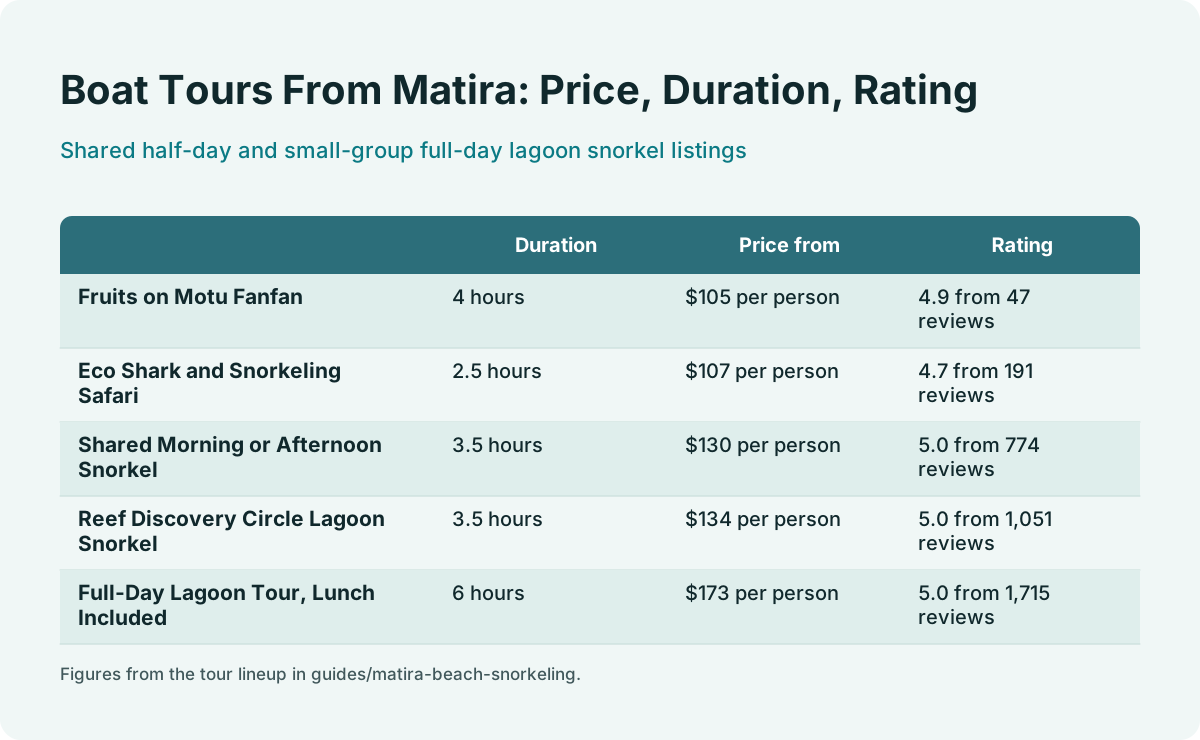
Price is less of a cliff than visitors expect. The cheapest listing is the eco shark and snorkeling safari at 2.5 hours from $107 per person, and the half-day Fruits on Motu Fanfan excursion runs from $105 per person for 4 hours. The shared morning or afternoon snorkel boat from H2O Bora Bora, this site's related pick for the Matira reader, is from $130 per person for 3 hours 30 minutes, rated 5.0 from 774 reviews, with pickup, free cancellation and snorkel gear all listed. Set against a week of resort costs on the island, the boat half day is a small line item for access to an entirely different lagoon.
The comparison is honest in both directions, so here it is in numbers, using this site's verified lineup.
| Tour | Type | Duration | From | Rating |
|---|---|---|---|---|
| Fruits on Motu Fanfan | Shared half day | 4 hours | $105 per person | 4.9 from 47 reviews |
| Eco Shark and Snorkeling Safari | Shared half day | 2.5 hours | $107 per person | 4.7 from 191 reviews |
| Shared Morning or Afternoon Snorkel | Shared half day | 3.5 hours | $130 per person | 5.0 from 774 reviews |
| Reef Discovery Circle Lagoon Snorkel | Shared half day | 3.5 hours | $134 per person | 5.0 from 1,051 reviews |
| Full-Day Lagoon Tour, Lunch Included | Small group full day | 6 hours | $173 per person | 5.0 from 1,715 reviews |
Who should skip the boat? A visitor with one afternoon, a mask, and no interest in sharks or mantas can have a genuinely good free swim at Matira and spend the savings on lunch. Families with very small children sometimes prefer the beach's controlled shallows to a boat day. And anyone using Bora Bora as a rest stop between long-haul flights may value the towel-on-sand hour over logistics. For everyone else, the boat is the product; the beach is the bonus.
There is a third category worth naming: the pairing. The strongest version of a Matira day is a morning boat and an afternoon beach, or the reverse. The shared half-day snorkel boat runs a morning and an afternoon departure, which is built exactly for this. Cruise passengers with a 9 to 12 hour call window can do the same arithmetic, and the cruise shore excursions guide works through that timing in detail.
The pairing logic also explains why the shared half-day boat is the natural first booking for a Matira-centered trip, detailed on the shared snorkel boat tour page. It is short enough to leave half a day for the beach, cheap enough to not crowd the budget, and it hits the coral gardens plus the shark and ray stops that define the lagoon.
How Do You Get To Matira Beach From Vaitape?
Matira is about 7 km from Vaitape, roughly a 12-minute drive on the island's 32 km ring road, and the beach has parking. Cruise tender passengers land at the Vaitape quay, with the tender wharf about 50 m on foot from the village, making Matira reachable by taxi, rental bike or scooter, or a guided circuit that ends with beach time.
The geography is simple because the island is simple: one ring road, 32 km, about 45 minutes non-stop to circle the whole thing. Vaitape, the main village and the cruise tender landing, sits on the west side. Matira curls around the southern tip. The 7 km between them takes about 12 minutes by car, and bike and scooter rental is a popular way to cover it, with the road flat and scenic for most of the run.
For cruise passengers the chain is short. Ships anchor in the lagoon, typically toward Pofai Bay, and tender everyone to the public Quai de Vaitape, a ride of roughly 15 to 20 minutes that all lines share. The tender wharf is about 50 m on foot from Vaitape itself. From there, taxis and rentals handle the run south. Independent lagoon tours also pick up at the Vaitape quay, which is why so many shore visitors split the day: boat in the morning from the quay, taxi to Matira in the afternoon.
| Route | Distance | Typical time |
|---|---|---|
| Vaitape to Matira | About 7 km | About 12 minutes |
| Vaitape to Anau, east lagoon | About 12 km | About 20 minutes |
| Full ring road circuit | 32 km | About 45 minutes non-stop |
| Ship anchorage to Vaitape quay, by tender | Not stated | About 15 to 20 minutes |
Stay-based visitors usually have it easier still: most tours list pickup, and pickup points commonly include resort docks and the Vaitape quay. If your plan is beach in the morning and boat in the afternoon, confirm at booking which departure point your tour uses, because the reef-discovery half day and the shared H2O boat both list pickup but the exact point is set when you book.
What Are The Honest Limits Of Snorkeling Matira On Your Own?
The limits are four: the coral is not pristine, the big animals do not come to shore, the southern reef beside the beach is now a closed no-take reserve boats and swimmers' tours do not enter, and conditions vary with weather and season in ways a boat tour with a guide manages better. None of that makes the beach worse; it makes it a different product with a different ceiling.
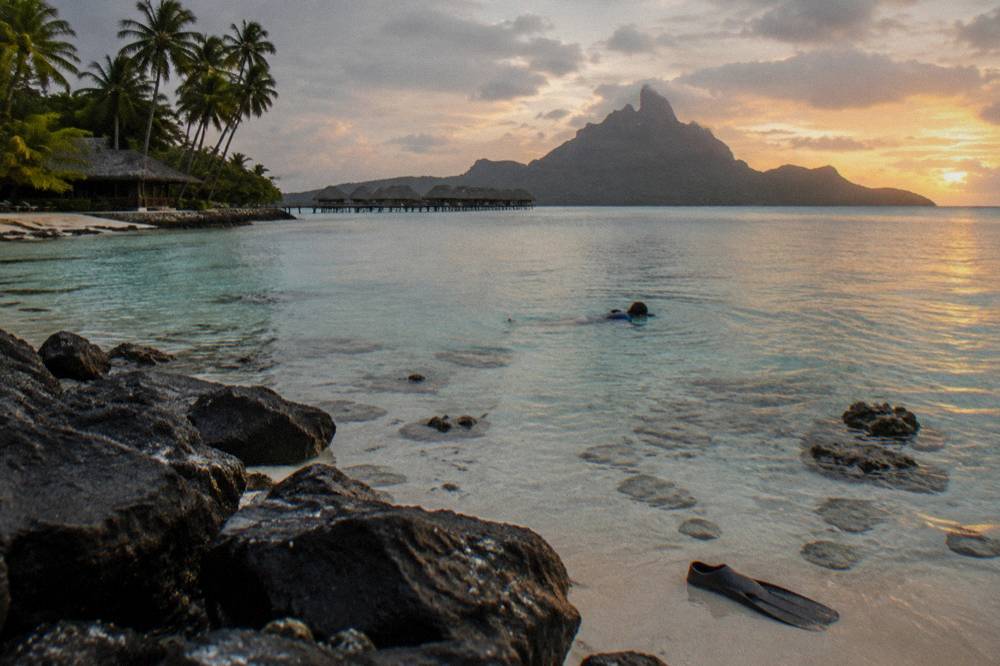
Start with the reef. Guides that recommend Matira also state its coral is not pristine, and that honesty is worth passing on rather than smoothing over. The fish community is real, the water is warm and clear by most standards, and the setting is beautiful. The coral itself is patchy. Snorkelers who want dense hard coral and reef structure need the boat-access gardens, the southern coral gardens near Motu Piti Uu Uta, the Aquarium site around Motu Pitiuu Uta, or the quieter Motu Tane garden on the north side, all boat-only.
Then the animals. From Matira's shore you are fishing, metaphorically, in the reef-fish pond. The shark and ray encounters that anchor nearly every Bora Bora itinerary happen at specific shallow sites around the motus where the animals congregate and where operators run guided stops. French Polynesian law frames all of this: the territory has protected all shark and ray species in its waters since 2006 under the Environmental Code, which prohibits any attempt to attract sharks or alter their behavior. Operators differ on feeding, and some eco-focused tours state a no-feeding policy and visit natural congregation areas instead; the listing tells you which approach each tour takes. Blacktip reef sharks, typically 0.5 to 1.5 m, are the common species in the lagoon, and guides brief guests on how to behave around them rather than promising anything about them.
Third, the map has changed. The Popora rahui south of Matira means the southern reef band is closed to fishing, boating and nautical activity, a genuine conservation win for the lagoon and a firm boundary on where anyone snorkels. Current snorkeling guides note Matira's shore snorkeling remains available and recommended outside the protected band. If you swim at the beach you will not notice the reserve; if you wonder why no boats work the southern reef, that is why.
Fourth, self-guided means self-judged. On a boat, a guide reads the wind, moves between sheltered stops, supplies flotation and adapts to the group's swimming level; several operators explicitly welcome non-swimmers. At the beach, those calls are yours. The can non-swimmers snorkel in Bora Bora piece covers who the beach suits and who should be on a guided boat instead.
The Vavau half-day lagoon snorkel is one lineup option that leans into exactly this divide, a 3-hour shared boat from $118 per person rated 5.0 from 14 reviews, built for swimmers who want the boat sites without committing a full day.
When Is The Water Best For Snorkeling At Matira Beach?
The dry season, May to October, is the best window: Meteo-France's Bora Bora station records rainfall falling from 245 mm in January to 61.9 to 64.6 mm across July to September, with rain days dropping from 17.2 to about 9. A sea-temperature series puts the lagoon at 26.7 to 28.9 C year-round, so warmth is never the constraint; calm and clarity are.
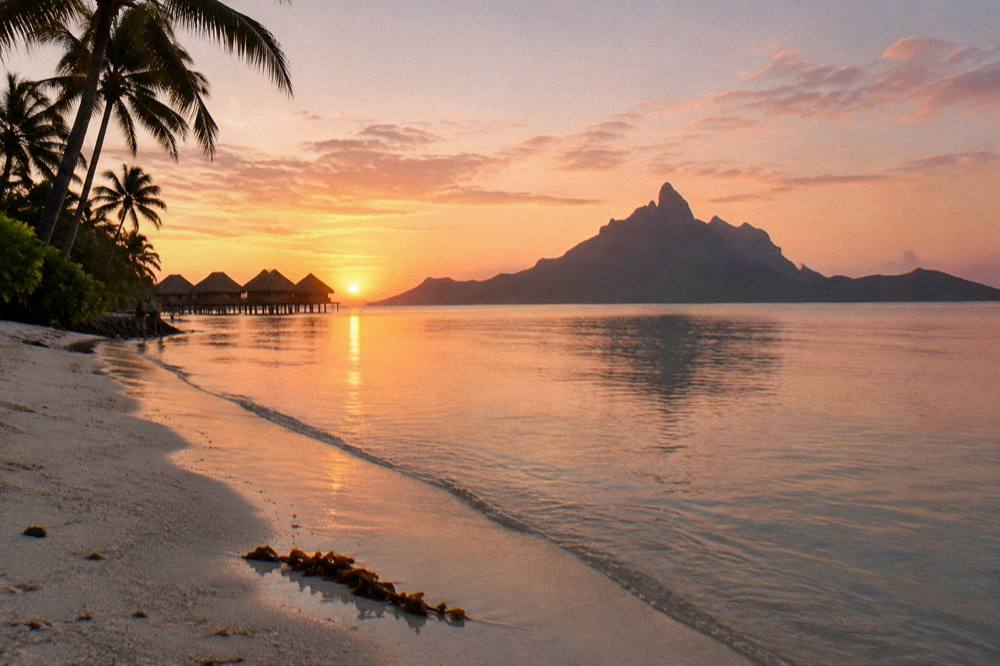
The climate record for the island is unambiguous about the pattern. Rainfall at the Meteo-France Bora Bora station runs 245 mm in January, falls steadily through the southern-hemisphere autumn, bottoms out at 61.9 mm in July, 63.7 mm in August and 64.6 mm in September, then climbs back to 250.7 mm by December. Days with a millimeter or more of rain follow the same curve, from 17.2 in January to 8.8 in August. The wet season, November to April, is wetter and more humid; the dry season, May to October, is the calm-water season, and cruise activity concentrates there for exactly that reason.
| Month | Rainfall (mm) | Rain days | Sea temp (C) |
|---|---|---|---|
| January | 245.0 | 17.2 | 28.4 |
| March | 168.1 | 14.5 | 28.9 |
| July | 61.9 | 9.4 | 26.9 |
| September | 64.6 | 9.3 | 26.7 |
| October | 108.7 | 10.6 | 27.3 |
| December | 250.7 | 16.8 | 28.3 |
Two cautions on that table. The sea-temperature figures come from a secondary series, not an official station, so they are best read as a stable range, warm year-round, rather than precise monthly values. And no visibility figures are printed here at all, because none are reliably sourced; the honest qualitative statement is that operators and guides describe clearer water in the dry season and calmer mornings than afternoons.
For the beach specifically, timing within the day matters as much as the month. Mornings are generally the calmer window, and a shallow sand site like Matira is at its best before afternoon wind ruffles the surface. The same logic governs the boats: the southern coral gardens are recommended early morning for calmer water. A practical Matira itinerary in any season is beach early, shade at midday, boat or road in the afternoon, or the mirror image if your tour only sails the morning slot. The best time to snorkel in Bora Bora guide expands the seasonal picture for the whole lagoon.
What Should You Bring For Snorkeling Matira Beach?
Bring your own mask, snorkel and fins, reef-safe mineral sunscreen, water and shade, and a dry bag if you have one; nothing is required beyond gear, and the beach has no facilities requirement. Non-nano zinc oxide or titanium dioxide sunscreen is strongly recommended by guides, since French Polynesia has no blanket chemical ban as of 2026, and Matira has no rental or lockers as a public beach.
The gear point is the big one. Matira's free snorkeling assumes you arrive equipped. Resort guests usually borrow masks and fins from their property. Everyone else rents around the island, and the cost of a rental day belongs in the honest comparison against boat tours, which list snorkel gear as included. If you are doing both, the boat day can supply the gear and the beach day can reuse rented equipment.
Sunscreen deserves precision because the internet is fuzzy on it. There is no blanket chemical-sunscreen ban in French Polynesia as of 2026. What guides strongly recommend is a mineral formula, non-nano zinc oxide or titanium dioxide, avoiding oxybenzone and octinoxate, to protect coral reefs. Guides to Matira Beach itself recommend bringing your own gear and shade for a free visit. The reef-safe sunscreen in French Polynesia article covers the ingredient question in full.
| Item | Why | Note |
|---|---|---|
| Mask, snorkel, fins | Matira has no included gear | Lineup boat tours list snorkel gear included |
| Mineral sunscreen | Guides strongly recommend non-nano zinc or titanium | No chemical ban in force as of 2026 |
| Water and shade | Public beach, plan your own | Free access, no resort amenities |
| Water shoes | Sand entry with some coral | Helps at the water's edge |
| Dry bag | Keeps keys and phone safe while swimming | Useful for the ring-road day too |
The full packing question, including what changes when children come along, is worked through in the what to bring snorkeling in Bora Bora guide. The short version for Matira: less than you think, but the mask is non-negotiable, and the sunscreen choice is the one place your beach day touches the reef's future.
Which Bora Bora Boat Tours Pair Well With A Matira Day?
The best pairings are the shared half-day snorkel boat from $130 per person for the classic morning-boat, afternoon-beach split, the full-day lagoon tour with lunch from $173 per person when you want one big day and a beach day separately, and shorter options like the Vavau 3-hour snorkel from $118 per person for late risers. All three list pickup, gear and free cancellation.
The pairing logic is simple: match the boat's length to the beach time you want. The shared morning or afternoon snorkel boat from H2O Bora Bora, 3 hours 30 minutes, from $130 per person, rated 5.0 from 774 reviews, is almost designed for it, with two departure windows that mirror the beach's calm-morning, warm-afternoon rhythm. The Reef Discovery half day, a circle-lagoon snorkel from $134 per person rated 5.0 from 1,051 reviews, covers the same shape of day with a different operator. Both list pickup, free cancellation and snorkel gear.
For a bigger single commitment, the full-day lagoon group tour with lunch is the lineup's most reviewed listing, 5.0 from 1,715 reviews, from $173 per person over 6 hours, with meal and gear listed. That tour earns a full day of lagoon, sharks, rays, coral gardens and a motu lunch, and pairs best with Matira on a different day, typically beach and ring road on arrival day, boat on the full day after. Its details are on the full-day lagoon tour page.
Between those poles sit the specialists. The eco shark and ray cruise family of tours, like the outrigger canoe option with island lunch from $112 per person rated 4.8 from 604 reviews, concentrates on the shark and ray stops that no shore swim replicates. The luxury catamaran with a floating bar, from $309 per person over 4 hours, adds a sailing format for visitors who want the lagoon with a drink in hand. And private boats, from $560 to $650 per group for around 3.5 hours, suit families and groups whose beach-plus-boat split needs its own schedule. The private-vers-group tradeoff gets its own treatment in the private versus group lagoon tour guide.
The Reef Discovery half day remains the strongest all-rounder for readers who want one booking decision and done, a circle of the lagoon's classic stops at a mid-price with the lineup's second-largest review pool behind it.
One closing note on the beach itself. However you structure the boat, keep a bare hour or two free for Matira with nothing scheduled around it. The beach is free, the water is warm, and the view of Otemanu across the lagoon costs exactly nothing, which on this island is a rare sentence. This site's own Bora Bora Snorkeling Tours comparison on the homepage can sort these listings by price and format if you are choosing between them.
Common Questions About Matira Beach Snorkeling
Is Matira Beach free to access for snorkeling?
Yes. Matira is Bora Bora's only public beach, free to access with no gates, fees or resort requirement. You bring your own mask, snorkel and fins and swim from shore in shallow water.
What can you see snorkeling at Matira Beach?
Commonly reported sightings include stingrays, butterflyfish, Moorish idols, parrotfish, sergeant majors and damselfish, over sand and scattered coral in roughly 1 to 3 meters of water. Sharks and manta rays are boat-site animals and are not shore sightings at Matira.
Can you see sharks or manta rays from Matira Beach?
No reliable shore sightings. Blacktip reef sharks congregate at boat-access sites around the motus, and the Anau manta cleaning station on the east side of the lagoon is boat-tour access only, with no public shore access recommended.
How far is Matira Beach from Vaitape?
About 7 km, roughly a 12-minute drive on the 32 km ring road. Cruise tender passengers land at the Vaitape quay, about 50 m on foot from the village, and reach Matira by taxi, bike or scooter.
Is the southern reef near Matira closed?
A 574-hectare no-take reserve, the Popora rahui, was established on the southern reef off Matira in December 2025, closed to fishing, boating and nautical activity. Matira's beach and shore snorkeling remain open and recommended outside the protected band.
Do you need a boat tour if you snorkel at Matira?
Not for the beach itself, which is free and worthwhile. But the coral gardens, shark and ray sites and Anau mantas are all boat-only, so most visitors add a half-day boat tour, from $105 per person in this lineup, to see them.