Scuba Diving Or Snorkeling In Bora Bora: Which Is Better?
Most visitors to Bora Bora wrestle with the same question before booking anything on the water: is a dive worth the certification and the cost, or does the lagoon give a snorkeler everything it has? The honest answer favors snorkeling for the large majority of travelers, and this guide explains why with real numbers from the lagoon tour market.
Short answer
Snorkeling suits most visitors to the Bora Bora lagoon: shared half day tours run from $105 to $151 per person, need no training, and reach the sharks, rays and coral gardens in shallow water. Diving adds depth and longer bottom time but requires certification and costs more; no dive product is sold on this site.
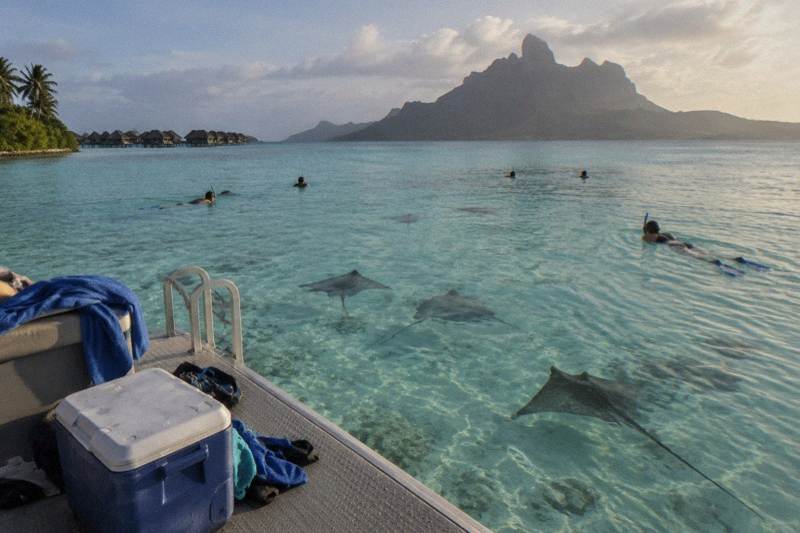
Bora Bora's lagoon is shallow, warm and sheltered, and that geography shapes the whole diving versus snorkeling question. The reef animals people fly halfway around the world to see, blacktip reef sharks, stingrays, manta rays and dense schools of reef fish, gather at sites where the water is shallow enough that a mask and a snorkel put you among them. A tank buys you bottom time and deeper reef structure, not a different cast of characters. This guide compares the two honestly: who genuinely benefits from diving, what certification and cost involve, and which surface tours deliver the experience most people picture when they imagine the lagoon.
One thing to state up front: this site sells lagoon snorkel tours, not dives. The diving information below is research, reported from dive operators' own materials and current guides, so you can decide whether a tank belongs in your trip at all.
Who Should Dive And Who Should Snorkel The Bora Bora Lagoon?
Snorkeling is the better fit for most visitors: it needs no training, half day lagoon tours in Bora Bora run from $105 to $151 per person, and the lagoon's signature animals gather in shallow water a snorkeler can reach. Diving earns its place for certified divers who want longer reef time, deeper drop-offs and a quieter, smaller group on the water.
The deciding factor is rarely the fish. It is you. If you hold a certification already, or you have always wanted to earn one, Bora Bora is a genuinely pleasant place to use it: warm water year round, sheltered sites inside the lagoon, and manta rays at the Anau cleaning station on the east side, a site dive operators describe as one of the most reliable in the region. If you do not dive and feel no pull to start, the lagoon asks nothing of you that a snorkel cannot give.
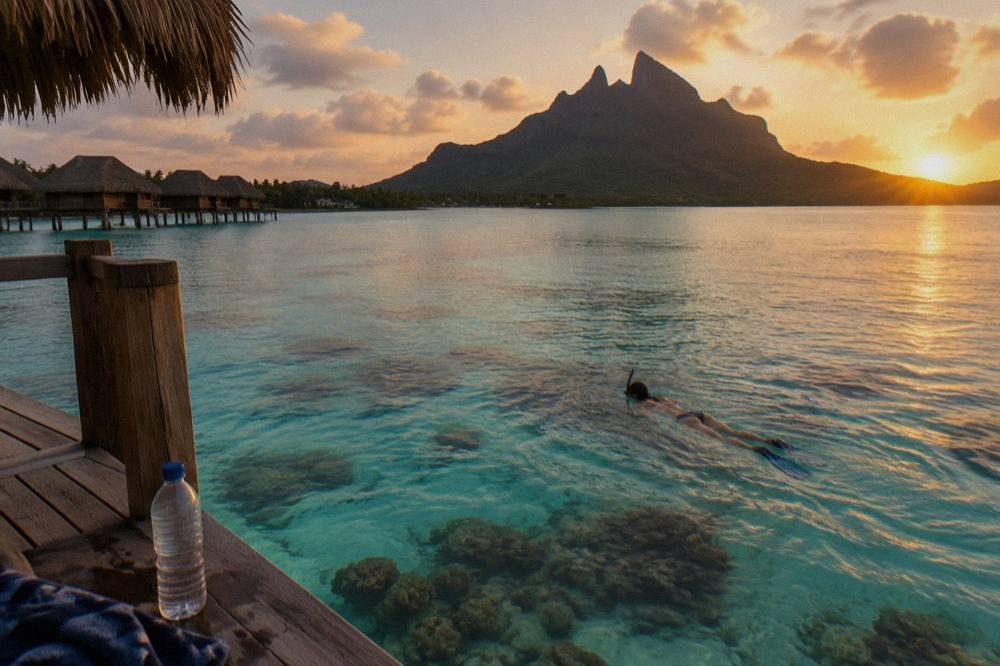
Families, hesitant swimmers and first-time visitors almost always land on the snorkel side. Operators such as H2O Bora Bora state plainly on their own FAQ pages that they welcome non-swimmers, supply flotation and adapt to all swimming levels, and several listings carry the same spirit. If you are weighing that question, the guide on whether non-swimmers can snorkel here covers it in depth.
Divers, by contrast, tend to already know who they are. The question that usually changes their minds is cost and time: a dive day in Bora Bora consumes a morning or afternoon and a meaningful budget, while a shared snorkel tour covers the same water for less. The table below frames the trade honestly.
| Factor | Snorkeling the lagoon | Scuba diving in Bora Bora |
|---|---|---|
| Training needed | None | Certification, or a resort course first |
| Typical time commitment | 2.5 to 7 hours on tours | Half day per dive outing |
| Lineup price range | From $105 per person (half day shared) | Not sold in this lineup; dive pricing sits above comparable snorkel tours per hour |
| Sharks and rays | Commonly reported at surface stops | Also seen, plus deeper reef structure |
| Best for | First visits, families, mixed groups | Certified divers, repeat visitors |
Is Diving Good In Bora Bora?
Yes, diving in Bora Bora is well regarded: dive operators describe manta ray encounters at the Anau cleaning station on the east lagoon, shark sightings outside the reef, and warm, sheltered conditions year round. The lagoon's shallow, protected character is also why snorkeling captures so much of the same experience without training.
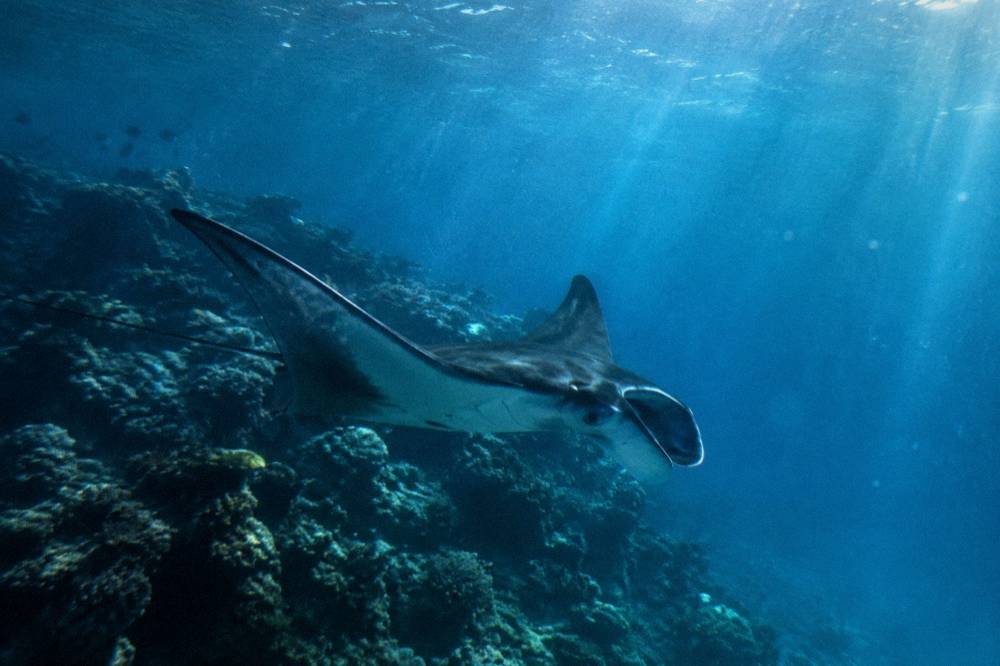
The east side of the lagoon is the headline dive territory. Anau is a manta ray cleaning station, a patch of reef where mantas loop in to be cleaned by wrasses, and both dive and snorkel boats visit the area; guides decide on the day whether conditions suit the site, and etiquette asks snorkelers to stay calm at the surface and never block an animal's path. The site and its rules are described in detail on Tohora Bora Bora's own snorkeling map page.
Outside the reef, dive operators list shark dives and drop-off walls, and French Polynesia's protections shape what those trips look like. All shark and ray species have been protected in French Polynesian waters since 2006, and the Environmental Code prohibits attracting sharks or altering their behaviour. Reputable operators work within that: no baiting as a feature, briefings before entry, and guides in the water. The site's guide on swimming with sharks and rays in Bora Bora covers the rules and what tours actually state about feeding policies.
What diving genuinely adds is time and depth. A diver can hold station on a reef slope and watch behaviour a surface visitor glimpses for a minute. What it does not add, in this lagoon, is a different animal cast: the blacktip reef sharks, typically half a meter to a meter and a half, the stingrays and the reef fish that divers go down to see are the same ones gathering around the shallow boats.
The sites themselves make the comparison concrete. The table below lists the lagoon's known snorkel and dive territory as current guides and operator maps describe it, with the access each one requires.
| Lagoon site | Where | Access | What guides report |
|---|---|---|---|
| Anau manta cleaning station | East lagoon | Boat only, no shore access | Mantas cleaned by wrasses, turtles, eagle rays |
| Southern coral gardens | Near the southern motus | Boat, on lagoon tour routes | Beginner friendly, blacktip reef sharks commonly seen |
| The Aquarium (Motu Pitiuu Uta) | Southern lagoon | Boat, on lagoon tour routes | High density of reef fish in sheltered water |
| Matira Beach shore snorkel | South of Vaitape | Free public shore access | Stingrays and reef fish in shallow water |
| Popora protected zone | Southern reef off Matira | Closed to boats and activity since December 2025 | 574 hectare no-take zone, tours do not enter |
How Much Does Diving Cost Compared To Snorkeling In Bora Bora?
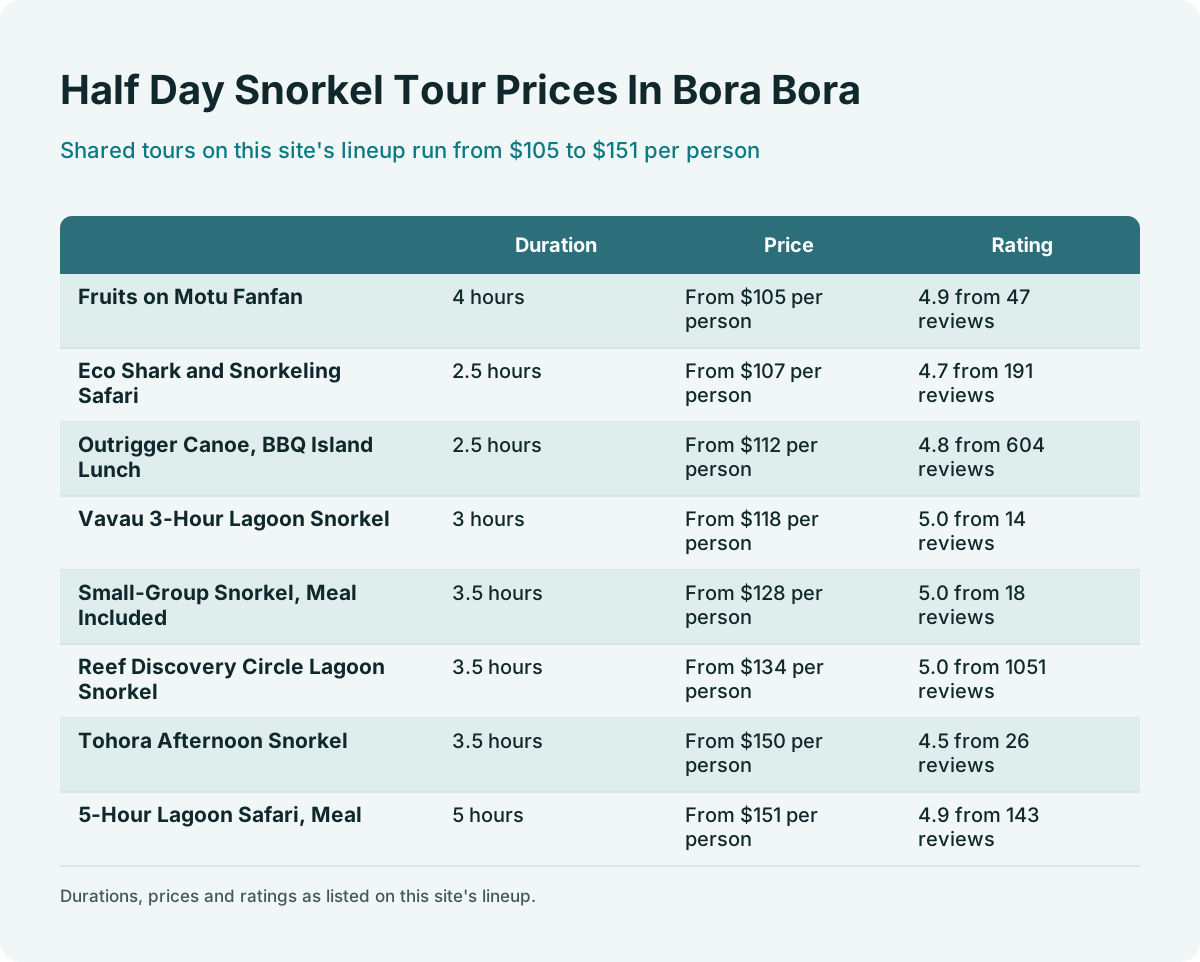
Shared half day snorkel tours on this site's lineup run from $105 per person (the Bora Bora Experience with fruits on Motu Fanfan) to $151 per person (the five hour Rohivai lagoon safari), and full days with lunch run from $144 to $224. Diving sits above those figures per hour on the water, and no dive product appears in this lineup to quote exactly.
Cost is where most fence-sitters make their decision, and the snorkel side wins it on numbers alone. The cheapest listing, the half day Bora Bora Experience with fruits on Motu Fanfan, starts at $105 per person for four hours including hotel pickup and gear. At the other end of the half day scale, the eco shark and ray cruise from Moana Adventure Tours starts at $112 per person for two and a half hours, and the five hour Rohivai lagoon safari with a meal starts at $151. Full days with a motu lunch run from $144 to $224 per person.
Dive pricing works differently. Independent dive operators in Bora Bora typically sell single tank dives, packages and resort courses, and their published rates generally exceed the per-hour cost of a shared snorkel tour once gear and boat time are counted. Current travel guides put typical shared lagoon snorkel tours in the region of $80 to $200 per person, which matches this lineup's real endpoints, and note that ship-sponsored excursions price above independent equivalents. For a traveler comparing a two-dive morning against a half day snorkel cruise at from $112 per person, the snorkel usually leaves budget for a second day on the water.
To make the surface side of that comparison concrete, here is what the lineup's half day shared and small-group listings actually cost, with the ratings as each listing reports them.
| Half day listing | Operator | Duration | Price | Rating |
|---|---|---|---|---|
| Fruits on Motu Fanfan | Bora Bora Manu Lagoon Excursion | 4 hours | From $105 per person | 4.9 from 47 reviews |
| Eco Shark and Snorkeling Safari | Moana Adventure Tours | 2.5 hours | From $107 per person | 4.7 from 191 reviews |
| Rohivai Half-Day Lagoon Safari | Bora Bora Experience, Rohivai Tours | 4 hours | From $112 per person | 4.9 from 259 reviews |
| Traditional Outrigger Canoe Snorkel | Moana Adventure Tours | 2.5 hours | From $112 per person | 4.8 from 604 reviews |
| Vavau 3-Hour Lagoon Snorkel | Vavau Adventures | 3 hours | From $118 per person | 5.0 from 14 reviews |
| Small-Group Snorkel, Drinks Included | SARL H2O Bora Bora | 3.5 hours | From $128 per person | 5.0 from 18 reviews |
| Shared Morning or Afternoon Snorkel | H2O Bora Bora | 3.5 hours | From $130 per person | 5.0 from 774 reviews |
| Bilingual Lagoon Tour and Snorkel | Lagoon Service Bora Bora | 4 hours | From $132 per person | 4.8 from 102 reviews |
| Reef Discovery Circle Lagoon Snorkel | Reef Discovery | 3.5 hours | From $134 per person | 5.0 from 1051 reviews |
| Keishi 4-Hour Shared Excursion | Keishi Tour | 4 hours | From $140 per person | 5.0 from 14 reviews |
| Tohora Afternoon Snorkel | Tohora Bora Bora | 3.5 hours | From $150 per person | 4.5 from 26 reviews |
| 5-Hour Lagoon Safari, Fruit Snacks | Rohivai Tours | 5 hours | From $151 per person | 4.9 from 143 reviews |
The hidden cost of diving is not the ticket, it is the certification path. That is the next question.
Do You Need A Certification To Dive In Bora Bora?
Yes, to dive independently in Bora Bora you need an open water certification, which typically takes several days of training elsewhere or on island; operators also sell introductory resort dives that let beginners try diving under close supervision. Snorkeling requires nothing but a mask, and every tour supplies gear as its listing states.
A certification cannot be picked up in an afternoon. Standard open water courses involve confined water training, theory and several open water dives, usually spread over multiple days, and this site's research found no source stating a fast-track route specific to Bora Bora, so do not plan around one. Travelers who want a taste of diving without the commitment can ask about introductory dives, where a beginner breathes from a tank in shallow water under an instructor's direct control. Those are real products sold by the island's dive operators, and they are a sensible way to test the appetite before investing in a course.
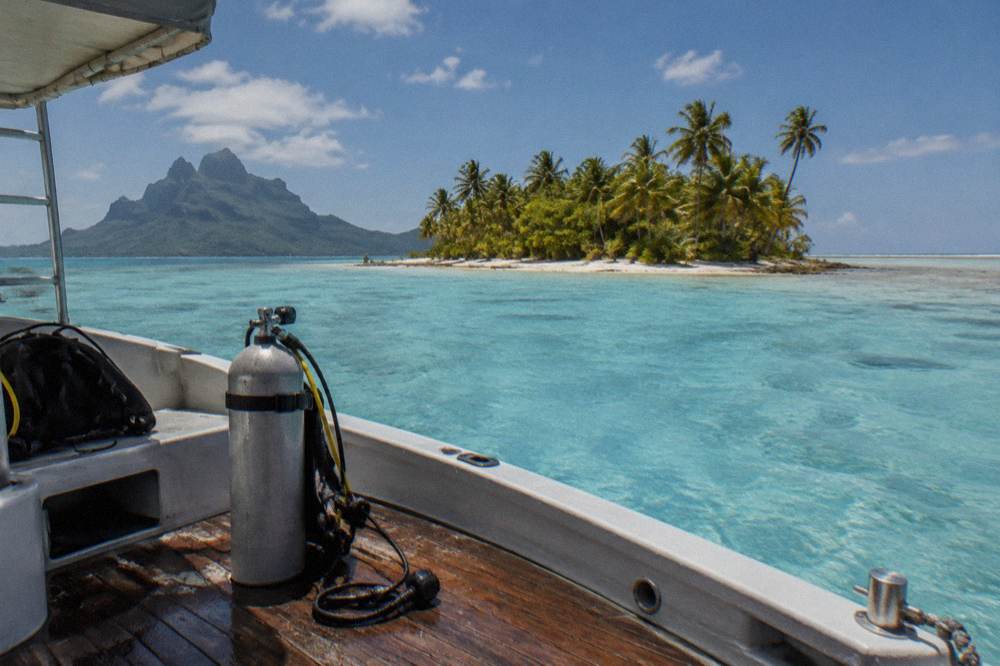
The entry requirements sit far apart, and it is worth seeing them side by side before you commit either budget or vacation days to the training path.
| Requirement | Snorkel tour | Certified dive | Introductory resort dive |
|---|---|---|---|
| Certification | None | Open water or higher | None, but instructor supervision throughout |
| Training time | Zero | Multi-day course before or on island | Pre-dive briefing on the day |
| Booking lead time | Same day often possible | Limited slots, book well ahead | Subject to instructor availability |
| Lineup availability | 34 listings across four families | Not sold in this lineup | Not sold in this lineup |
| Typical guest | Families, first timers, mixed groups | Certified divers, repeat visitors | Curious beginners testing the water |
For everyone else, the surface is free of gatekeeping. The Reef Discovery half day group signature tour, 3 hours 30 minutes from $134 per person with pickup, gear and free cancellation listed, is a good example: no course, no card, no swim test beyond what the crew assesses on the day. The full-day lagoon group tour with lunch, from $173 per person over six hours with 1,715 reviews, the most reviewed listing in the lineup, is the same proposition at greater length. The costs behind these options are broken down in the guide to what snorkeling in Bora Bora costs.
What Can Snorkelers See From The Surface In Bora Bora?
Snorkelers in the Bora Bora lagoon commonly report blacktip reef sharks, stingrays, manta rays at boat-access sites like Anau, turtles and dense reef fish at the coral gardens, all in shallow, sheltered water. Operators and guides describe the same animal cast divers go down for, seen from above.
The lagoon's structure does the work. Sites such as the coral gardens near the southern motus, the aquarium area around Motu Pitiuu Uta and the Anau manta station sit in water shallow enough that surface visitors hover directly over the action. Current guides describe the southern coral gardens as beginner friendly with blacktip reef sharks commonly seen, and the aquarium area as noted for a high density of reef fish in sheltered water. An overview of these sites is in the site's guide to Bora Bora's snorkeling spots.
Mantas are the one animal where the dive-versus-snorkel comparison gets interesting, because both groups see them. At a cleaning station the animals circle a fixed patch of reef, and snorkelers who stay calm and horizontal at the surface, following the etiquette operators brief, watch the loops from above. The site's guide to manta rays in Bora Bora covers what tours state about these stops, with the honest caveat that no operator can promise a sighting on any given day.
Sharks deserve a plain sentence too. Blacktip reef sharks are the common species, guides brief guests before entry, and French Polynesian law protects all sharks and rays while prohibiting anything that alters their behaviour. None of that makes them "harmless" in a way anyone should promise, but it explains why surface swimming beside them is a routine, guided activity here rather than an extreme one.
Where Do Dive And Snorkel Boats Leave From Around Vaitape?
Most lagoon tours in Bora Bora pick up from resort docks around the lagoon or from the Vaitape quay on the main island; cruise passengers tender ashore at Vaitape, and the tender wharf sits about 50 meters on foot from the town, so independent tours are practical even on a ship day.
Logistics rarely decide the dive-or-snorkel question, but they do decide which tour you can actually catch. Lineup listings state hotel pickup across the board, and cruise passengers or main-island stayers typically meet boats at the Vaitape quay. Ships anchor in the lagoon and tender passengers to the quay, a ride of roughly 15 to 20 minutes, and call windows of 9 to 12 hours are typical, which fits a half day tour with room to spare. The trade-offs for cruise passengers are covered in the comparison of cruise-ship excursions versus independent lagoon tours.
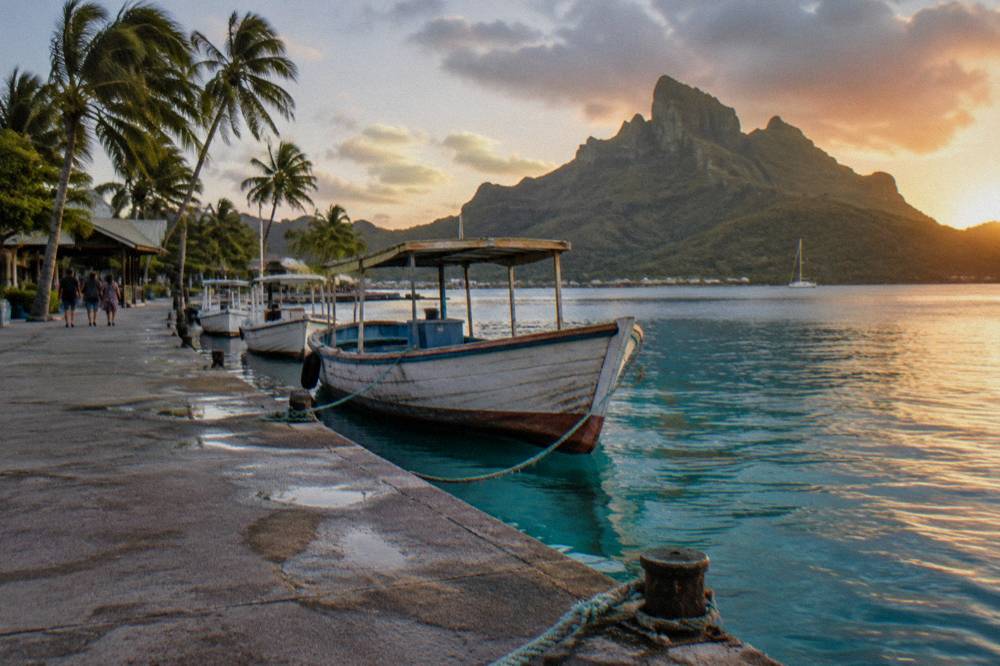
The pickup picture, in summary form, looks like this for the three tours this guide keeps returning to.
| Tour | Pickup | Free cancellation | Duration |
|---|---|---|---|
| Eco Shark and Snorkeling Safari | Listed | Listed | 2.5 hours |
| Reef Discovery Circle Lagoon Snorkel | Listed | Listed | 3.5 hours |
| Full-Day Lagoon Tour, Lunch Included | Listed | Listed | 6 hours |
Dive boats follow the same pickup pattern, with the added wrinkle that dive schedules are less frequent and fill faster, since each boat takes fewer guests. A snorkeler on a shared tour has a dozen half day options across the lineup; a diver has fewer slots and needs to match them to certification level and itinerary. If your time on the island is short, that flexibility gap matters more than any difference in what swims beneath you.
One note for independent snorkelers: the southern reef off Matira is now closed to boats and nautical activity under the full-protection zone established in December 2025, and no tour enters it. Matira Beach itself remains a free public beach with shallow shore snorkeling, a genuinely no-cost option this site's budget guide details alongside the honest caveat that the sharks, rays and coral gardens need a boat.
Which Bora Bora Tour Fits A Reader On The Fence?
A reader unsure about diving is usually best served by a half day shared snorkel tour with free cancellation: the eco shark and ray cruise from $112 per person or the Reef Discovery circle-lagoon half day from $134 per person both deliver the lagoon's signature stops with pickup and gear listed, and both can be cancelled if plans change.
The pattern among travelers who deliberate between the two is consistent: the ones who commit to diving are the ones who already dive. Everyone else tends to book the surface version, spend less, see the sharks and rays from above, and keep the option of a resort dive for a future trip. Between the two entry points, the eco shark and ray cruise is the shorter, cheaper introduction at two and a half hours, while the Reef Discovery signature tour spends 3 hours 30 minutes circling more of the lagoon; the operator's own materials describe its route and stops in detail on its booking page.
For a fuller day, the full-day lagoon group tour with lunch, from $173 per person and 5.0 across 1,715 reviews, folds a motu lunch into the same surface formula. And if the fence you are sitting on is really about comfort in the water rather than diving itself, the half day shared boat tour from H2O Bora Bora, 5.0 from 774 reviews at from $130 per person, is run by an operator whose FAQ welcomes non-swimmers with flotation and supervision.
Whatever you choose, book the version you can cancel. Free cancellation is listed on nearly every tour here, weather moves schedules in the wet season from November to April, and a refundable date costs nothing extra to hold. That is the practical answer this site, Bora Bora Snorkeling Tours, gives every reader who asks whether a tank is worth it: try the lagoon at the surface first, and let the water make the argument.
Common Questions About Diving Or Snorkeling In Bora Bora
Is diving good in Bora Bora?
Yes. Dive operators describe manta encounters at the Anau cleaning station on the east lagoon, shark sightings outside the reef, and warm, sheltered conditions year round. The same shallow, protected lagoon is why snorkelers report the same animals from the surface without training.
Is diving better in Moorea or Bora Bora?
Both islands are regarded dive destinations. Bora Bora's signature is the lagoon's manta cleaning station and sheltered sites; Moorea is better known for its reef shark and ray encounters closer to shore. This site sells no dive product on either island, so treat that as research rather than a recommendation, and choose based on where your itinerary already takes you.
Can I try diving in Bora Bora without a certification?
Introductory resort dives, where a beginner breathes from a tank in shallow water under an instructor's direct supervision, are sold by the island's dive operators. Independent diving requires an open water certification. No source on file describes a fast-track certification route specific to Bora Bora.
Is snorkeling in Bora Bora good enough to skip diving?
For most visitors, yes. Shared half day tours run from $105 to $151 per person, need no training, and visit the sharks, rays, coral gardens and, on some routes, manta sites in shallow water. Certified divers wanting longer bottom time are the group that genuinely misses something by staying at the surface.
Do Bora Bora snorkel tours include gear?
Most listings state snorkel gear is included; a few state it as not stated rather than absent, so check the listing before booking. Masks, snorkels and flotation are standard kit on shared and private lagoon tours alike.
Are sharks a reason to dive rather than snorkel here?
No. Blacktip reef sharks, typically 0.5 to 1.5 m, are the common lagoon species and are commonly reported at surface stops on snorkel tours. All sharks and rays have been protected in French Polynesia since 2006, guides brief guests before entry, and no operator may attract sharks or alter their behaviour, so the encounter looks much the same from either side of the surface.