Swimming With Sharks And Rays In Bora Bora
The shark and ray stop is the headline moment of nearly every lagoon tour in Bora Bora. Here is what actually happens in the water, what the law says, and which listing fits which traveller.
Short answer
Blacktip reef sharks and stingrays gather at shallow sandy spots around the motus, and half-day tours from $107 per person take you there with gear and a guide. French Polynesia has protected every shark and ray species since 2006, guides brief guests before entering the water, and sightings are common but never guaranteed.
Almost every lagoon tour sold in Bora Bora builds its day around one moment: standing in waist-deep water while blacktip reef sharks circle a few meters away and stingrays glide past your fins. It is the reason many visitors book the eco snorkel cruise, the shark and snorkel safari, or a jet ski combo in the first place. It is also the most misunderstood stop on the itinerary, because the reality is calmer, shallower, and more tightly regulated than the photos suggest.
This guide walks through what the stop actually involves, where the rays and sharks congregate, what French Polynesian law says about interacting with them, and how the main listings compare on price, duration, and inclusions. The reporting voice here is deliberate: this site has not been in the water with these animals, so every claim below comes from the tour listings, the operator pages, and the official rules on file.
What Is The Shark And Ray Stop In Bora Bora Really Like?
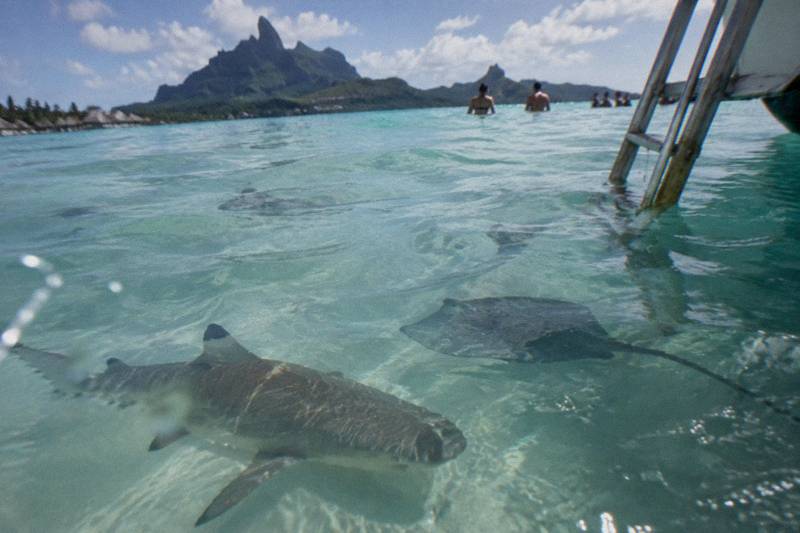
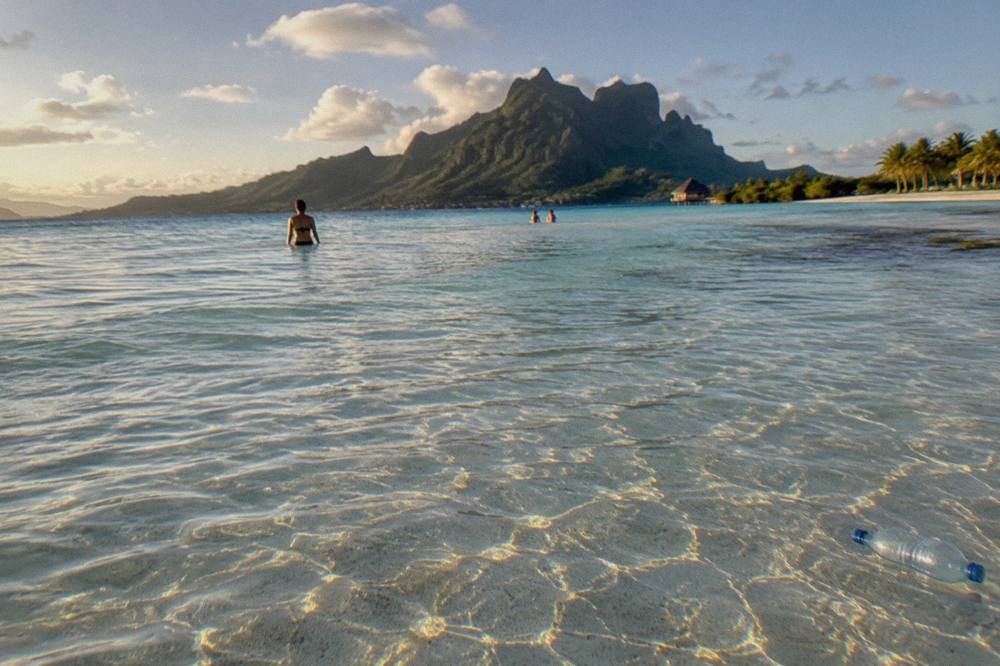
In practice it is a shallow-water stand, not a deep swim: the boat anchors beside a sandbank or motu shallows, guests step into water that is often waist to chest deep, and the animals come to the boat because they are accustomed to its arrival. Guides give a briefing first, stay in the water with the group, and the stop typically lasts 20 to 40 minutes within a longer tour.
The format surprises people who pictured a mid-lagoon free dive. At the ray sites the water is shallow enough that most guests stand or float rather than swim, and the rays, which the guides describe as southern stingrays, pass close enough to touch without anyone reaching for them. At the shark site the boat typically stations near deeper water just off the reef, and blacktip reef sharks, the species operators and guides name as the common one, circle below and around the snorkelers at a relaxed distance. The Bora Bora Snorkeling Tours lineup reflects this structure: nearly every half-day listing pairs the shark and ray stop with a coral garden swim in the same trip.
What the listings actually promise matters here. The Moana Adventure Tours eco snorkel cruise, from $112 per person with a 4.8 rating from 604 reviews, describes snorkeling with sharks and stingrays as a headline feature of its two and a half hour outing. The shorter shark and snorkel safari from the same operator, from $107 per person and rated 4.7 from 191 reviews, compresses the same stops into two and a half hours. Neither listing promises a sighting, and no honest one can: sharks and rays are wild animals whose presence varies with weather, tide, and time of day. What the reviews consistently report is that the stop is calmer and more controlled than expected, and that the guides manage the encounter closely.
Behaviour in the water is the part worth reading twice. Stingrays use their barbed tail defensively, so guides tell guests to shuffle their feet in sandy shallows and to let the guide handle any close interaction, advice repeated across the safety reporting on file. Blacktip reef sharks, typically half a meter to one and a half meters long, are described by operators as calm around snorkelers, but no source on file supports calling them harmless, and this site does not. The honest framing is the one the guides themselves use: these are wild predators, the rules below exist for a reason, and a briefed, supervised guest in shallow water is the safe configuration.
| Moment in the stop | What usually happens | What is asked of you |
|---|---|---|
| Arrival | Boat anchors at a sandbank or near the reef edge; rays and sharks approach the vessel | Stay seated until the guide enters the water |
| Briefing | Guide explains the site, the animals, and the rules before anyone gets in | Listen fully; ask about anything unclear |
| In the water | Guests stand or float in shallow water; animals circle at their own distance | No touching, no chasing, no blocking an animal's path |
| Back on board | Rinse off, move to the next stop, often a coral garden | Check gear; hydrate |
One thing that is often assumed and worth correcting: the stop is not a feeding show on any of these tours. Practices vary across the lagoon, and some operators state an explicit no-feeding policy; the Moana eco safari is described in the safety reporting as one that visits natural congregation areas rather than baiting animals. The distinction is covered in the rules section below, because the law is stricter than most visitors expect.
Where Is The Best Place To Swim With Stingrays?
The main ray encounters happen at shallow sandbank and motu-edge sites around the lagoon, reached only by boat, with tours departing from resort docks and the Vaitape quay. Matira Beach offers free shore snorkeling and rays do pass its shallows, but the reliable, guided encounters sold on this site all happen on the water at sites the boats return to day after day.
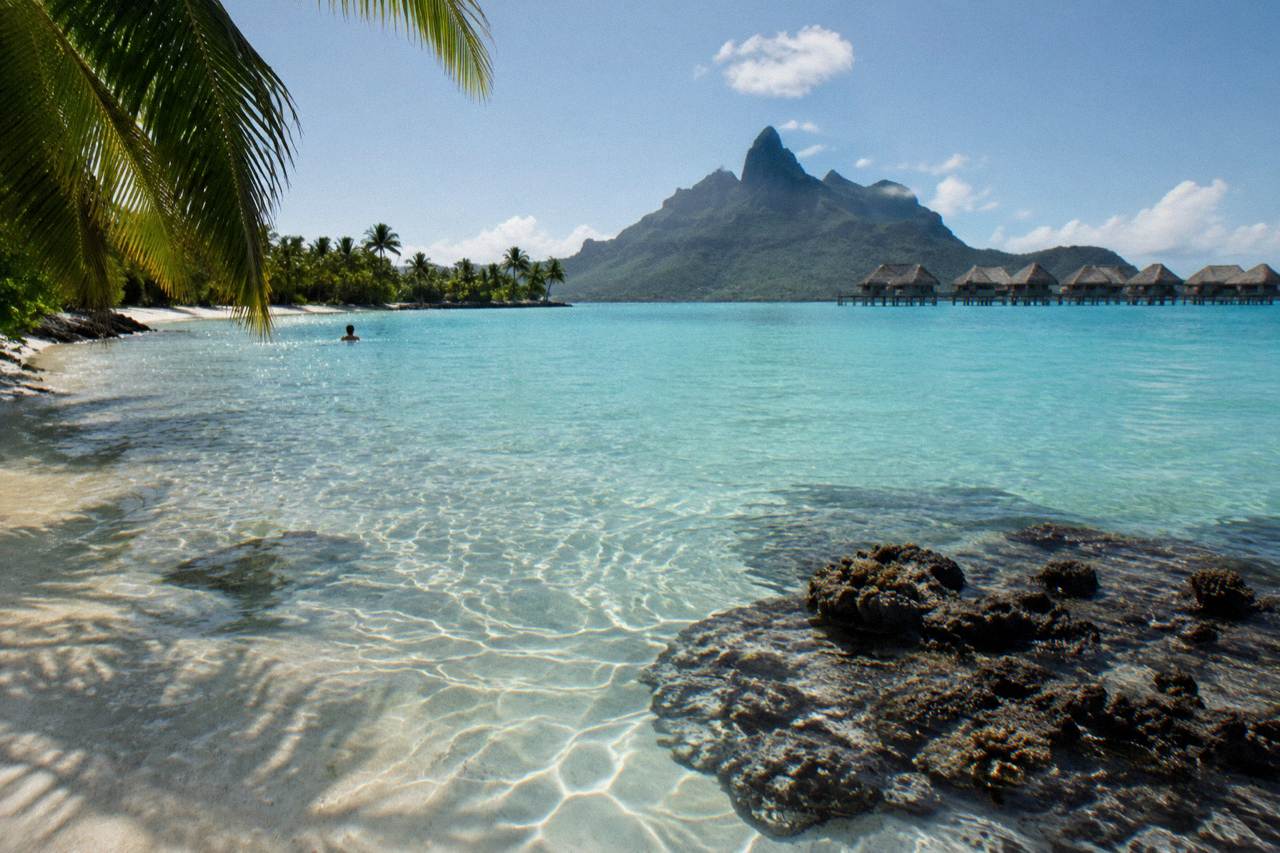
Geography drives the answer. Bora Bora's lagoon sits inside a barrier reef, and the rays gather on the shallow sand flats between the motus where boats can anchor in calm water. Guides describe these as natural congregation areas: the animals are used to vessels, they approach out of habit, and the water is shallow and sheltered enough for weak swimmers and children. The ring road runs around the main island, Vaitape to Matira is about 7 km, and tours pick up from resort jetties across the lagoon as well as the Vaitape quay, so the boat, not the road, is how you reach the good water.
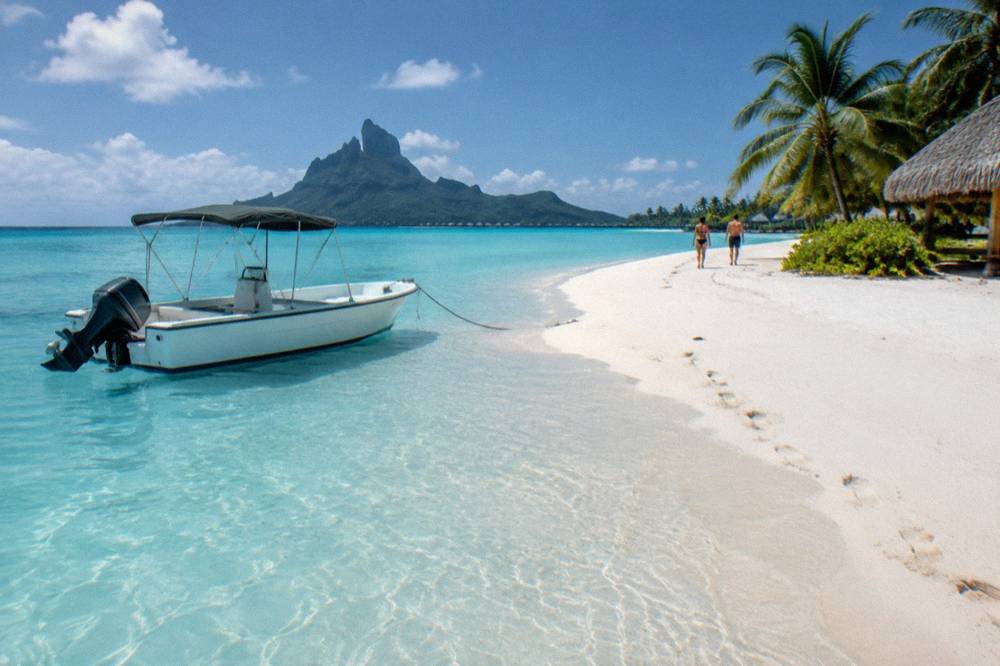
For independent shore time, Matira is the one public beach, free to access with no resort pass needed, and its shallow water suits a do-it-yourself snorkel. Our guide to the Matira beach snorkeling scene covers what to expect from the sand. But honest reporting requires saying plainly that Matira's coral is not pristine and that the concentrated ray encounters the lagoon is famous for happen at the boat sites. The two experiences are not substitutes.
A second, separate question is manta rays, which are a different species at a different kind of site. Mantas visit cleaning stations on the outer lagoon, and the Anau station on the east side is reachable only by boat, with no shore access, per the current spot reporting: guides decide on conditions and brief guests on etiquette, which means staying at the surface, calm and horizontal, and never diving down toward the animal. Mantas are protected under the same environmental code as the sharks. If manta rays rather than stingrays are your goal, the manta rays guide on this site goes deeper than this article can.
One recent change shapes where boats do and do not go. In December 2025 a decree established the Popora rahui, a 574 hectare fully protected no-take zone on the southern reef off Matira, the first of its kind in a French Polynesian lagoon. It is closed to fishing, anchoring, boating, and nautical activity. Tours do not enter it, and no tour in this lineup ever claimed to; the ray and shark sites the boats use sit outside the protected band. More detail is in the rules section below.
Practically, the choice of where to swim with rays is really a choice of tour, because the sites are the operators' territory. The eco snorkel cruise runs its shark and ray stops inside a two and a half hour circuit; the shark and snorkel safari covers similar ground; and the full-day options add a motu lunch between water stops. Readers deciding between a lagoon tour and a dedicated shark trip may find the lagoon tour overview useful, since the shark and ray stop is one leg of most of those days too.
These listings are the ways to book this stop, from the pure eco cruise to a jet ski combination.
Is It Safe To Swim With Black Tip Reef Sharks?
The honest answer is that thousands of guests do it every year in shallow, guided conditions and the reporting on file records no fatalities from these species in French Polynesia, but no source justifies calling any shark harmless. Safety comes from the setup: a briefed group, a guide in the water, shallow sand or reef-edge sites, and rules that prohibit attracting or altering the sharks' behaviour, which has been law since 2006.
Start with the animal. Blacktip reef sharks, typically half a meter to one and a half meters, are the species lagoon operators and guides name as the regular one, and lemon sharks appear occasionally in deeper lagoon areas. The safety reporting describes both as non-aggressive toward snorkelers. That is a statement about observed behaviour, not a promise, and this site will not upgrade it to "harmless" or "no risk" because no source on file supports those words. What the sources do support is that the encounter format is designed to remove the risky variables: shallow water, no baiting, a guide supervising, and guests who have just been told the rules.
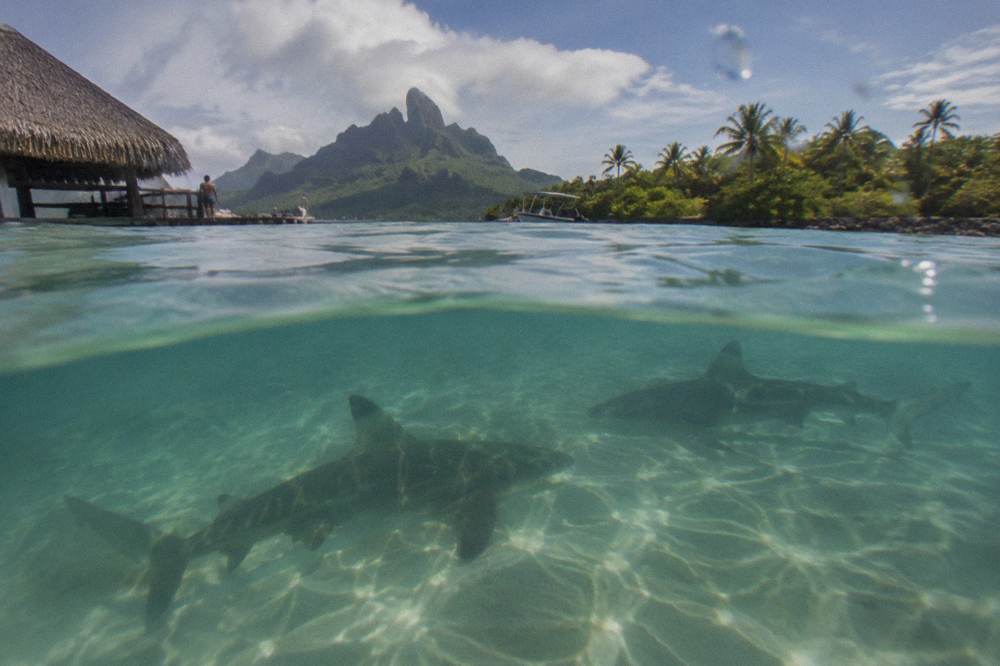
The law is the part most visitors have never heard of. French Polynesia has protected all shark and ray species in its waters since 2006, creating what environmental authorities describe as the world's largest shark sanctuary, and the Environmental Code states that any attempt to attract sharks, or any action likely to modify their behaviour, is strictly prohibited. For a reader, that means a listing that sells feeding as a feature is out of step with the code, and the eco-focused tours instead visit spots where the animals naturally gather. The Direction de l'Environnement publishes the identification leaflet behind this rule, and Tahiti Tourisme's regulations page covers the parallel whale rules for the July to November season, which matter if your trip overlaps it.
For swimmers and non-swimmers alike, the operator-side answers are reassuring. Several operators state on their own FAQ pages that non-swimmers are welcome and that life jackets and flotation are provided, with guides adapting to swimming levels, per H2O Bora Bora's FAQ. Children are welcome on most lagoon tours with adult supervision, and operators supply child-sized gear, though the safety reporting notes that some deeper stops suit confident swimmers better. Our article on non-swimmers snorkeling in Bora Bora covers that case in full, and the dedicated reef shark safety piece goes deeper on the species question.
| Risk factor | How tours manage it |
|---|---|
| Deep water | Shark and ray stops use shallow sandbanks or reef-edge sites; flotation available |
| Animal behaviour | Attracting or altering shark behaviour is prohibited by the Environmental Code |
| Guest inexperience | Guides brief before entry, stay in the water, and welcome non-swimmers with vests |
| Rays' defensive tails | Guests are told to shuffle feet in sand and to let guides handle interactions |
| Weather and sea state | Operators cancel or rerun in bad conditions; free cancellation is listed on most tours |
Two cautions to keep the honest tone. First, no visibility or depth figures are printed here, because no official source for them exists; operators and guides describe clearer water in the dry season, May to October, and calmer mornings, and that is as far as the record goes. Second, sunscreen is a genuine reef issue even without a law: there is no blanket chemical sunscreen ban in French Polynesia, but mineral non-nano zinc oxide or titanium dioxide formulas are strongly recommended by guides, a topic our reef-safe sunscreen article treats in detail.
How Do The Shark And Ray Tours Compare On Price And Time?
Half-day shark and ray options run from $107 to $151 per person in this lineup, with the eco cruise at from $112 per person for two and a half hours and the safari at from $107 per person; combinations with jet ski or 4WD run from $158 to $432 per person, and every one of these lists pickup and free cancellation. Duration is the real differentiator, spanning 2.5 hours to 8 hours across the family.
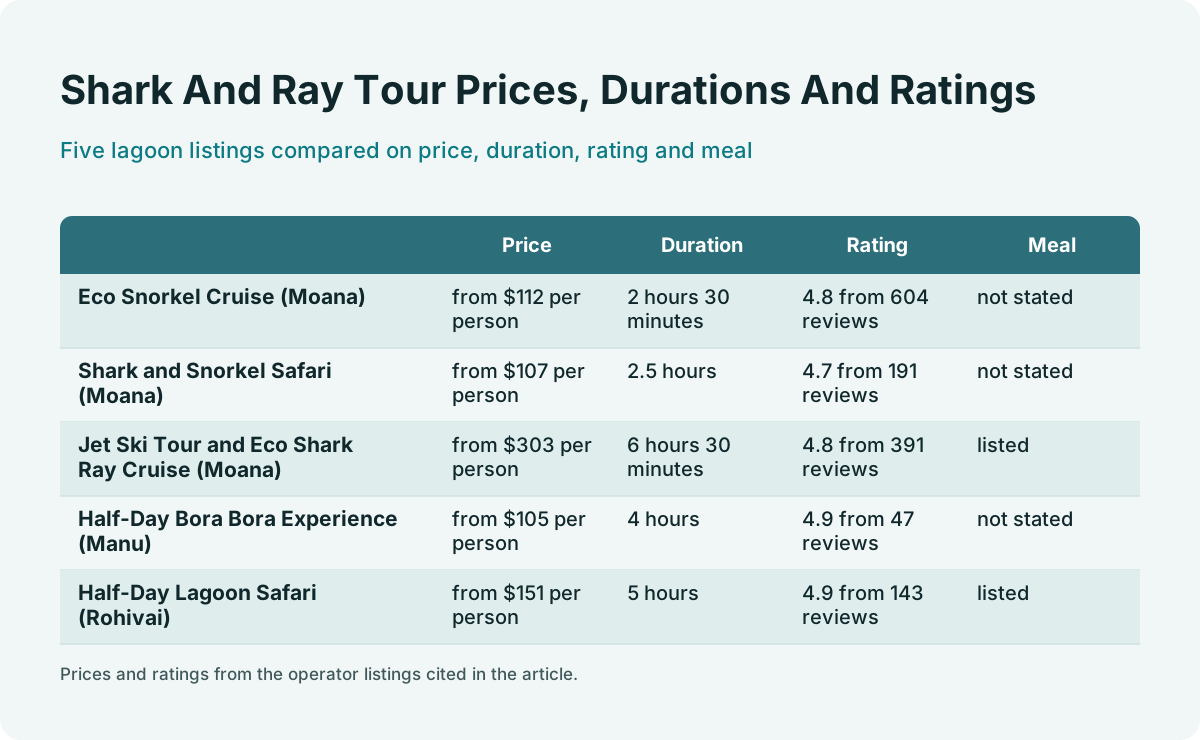
Price alone misleads here, because inclusions differ sharply. The eco snorkel cruise lists snorkel gear but not a meal; the Rohivai five hour lagoon safari includes a meal; the jet ski combo at from $303 per person bundles a jet ski circuit, a shark and ray cruise, and lunch into six and a half hours. A reader comparing on headline price alone might buy less day than they wanted, or pay for a lunch they did not care about. The table below puts the relevant lineup lines side by side, using only the figures the listings state.
| Listing | Card name | Price | Duration | Rating | Meal |
|---|---|---|---|---|---|
| Eco Snorkel Cruise (Moana) | Traditional Outrigger Canoe Snorkel | from $112 per person | 2 hours 30 minutes | 4.8 from 604 reviews | not stated |
| Shark and Snorkel Safari (Moana) | 2.5-Hour Eco Shark Safari | from $107 per person | 2.5 hours | 4.7 from 191 reviews | not stated |
| Jet Ski Tour and Eco Shark Ray Cruise (Moana) | Jet Ski Combo, Lunch Included | from $303 per person | 6 hours 30 minutes | 4.8 from 391 reviews | listed |
| Half-Day Bora Bora Experience (Manu) | Fruits on Motu Fanfan | from $105 per person | 4 hours | 4.9 from 47 reviews | not stated |
| Half-Day Lagoon Safari (Rohivai) | 5-Hour Lagoon Safari, Fruit Snacks | from $151 per person | 5 hours | 4.9 from 143 reviews | listed |
| Combo Lagoon Cruise and 4WD (Vavau) | 8-Hour Lagoon and 4WD Combo | from $158 per person | 8 hours | 4.7 from 222 reviews | listed |
Read the pattern rather than the rows. The cheapest entry points to the shark and ray stop, from $105 to $112 per person, are shared half days, and they all include the same core: pickup, gear or a boat with a guide, and the shallow-water stops. Paying more buys time and inclusions, not better animals. The mid-range combos, from $158 to $303, add land tours, jet skis, or full lunches. The most reviewed product on the entire lineup is actually the full-day lagoon tour with lunch from Lagoon Service, 5.0 from 1,715 reviews at from $173 per person, which includes shark and ray snorkeling inside a six hour day; it is the pick for readers who want the whole lagoon rather than the headline stop alone.
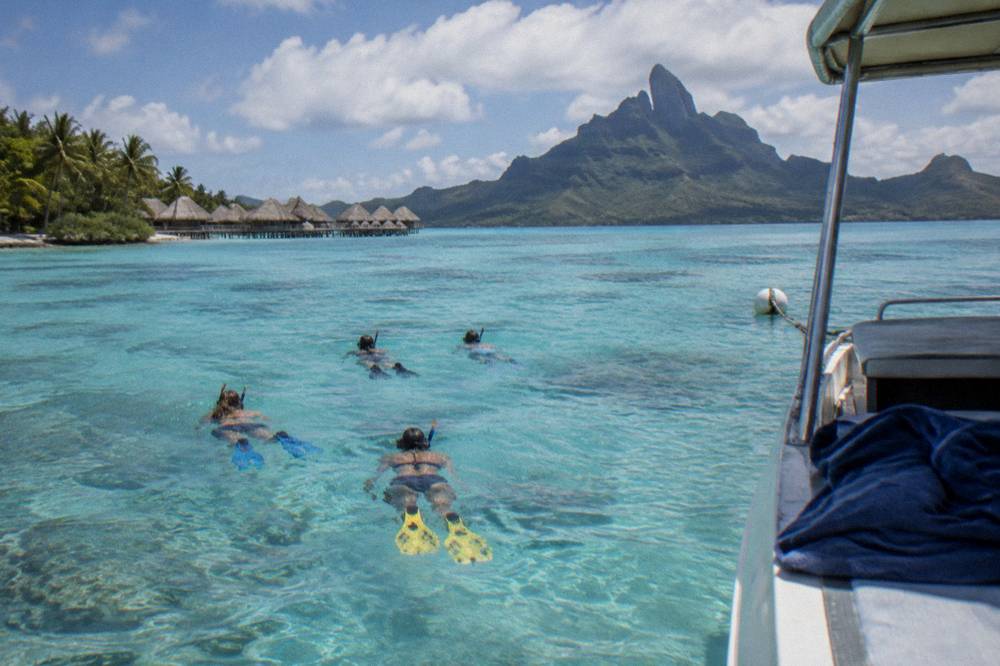
Cruise passengers should weigh time windows before anything else. Ships anchor in the lagoon and tender passengers to the Vaitape quay, a ride of roughly 15 to 20 minutes, with the tender wharf about 50 m on foot from Vaitape; typical call windows run 9 to 12 hours. A two and a half hour eco cruise fits almost any call, while an eight hour combo can collide with all-aboard times. Our guide to cruise shore excursions works through that arithmetic, and the reporting on ship-versus-independent pricing, with ship-sponsored excursions typically priced above independent equivalents, is covered in the dedicated comparison post.
Cancellation terms matter on a weather-dependent booking. Free cancellation is listed on every tour in the table above, and the fresh reporting notes that weather cancellations on the major lagoon listings allow rebooking or a full refund. That is a listing term, not a promise from this site; check the live listing for the window, since terms state the hours-in-advance cutoff.
What Rules And Protected Zones Apply To The Lagoon?
French Polynesia has protected all shark and ray species since 2006, the Environmental Code prohibits attracting sharks or modifying their behaviour, and since December 2025 a 574 hectare no-take zone off Matira, the Popora rahui, is closed to all fishing, boating, and nautical activity, so tours route around it and none of the listings on this site enter it.
The sanctuary date is worth getting right because sloppy versions of it circulate. The verified record, from the Direction de l'Environnement's own leaflet, dates full shark and ray protection to 2006 and quotes the code's plain language: any attempt to attract sharks, or any action likely to modify their behaviour, is strictly prohibited. Some secondary pages say 2012; the verified facts file wins, and this site prints 2006. The practical consequence for a buyer is that the eco tours' no-feeding framing is not marketing, it is compliance, and the tours that advertise natural congregation areas are the ones aligned with the code.
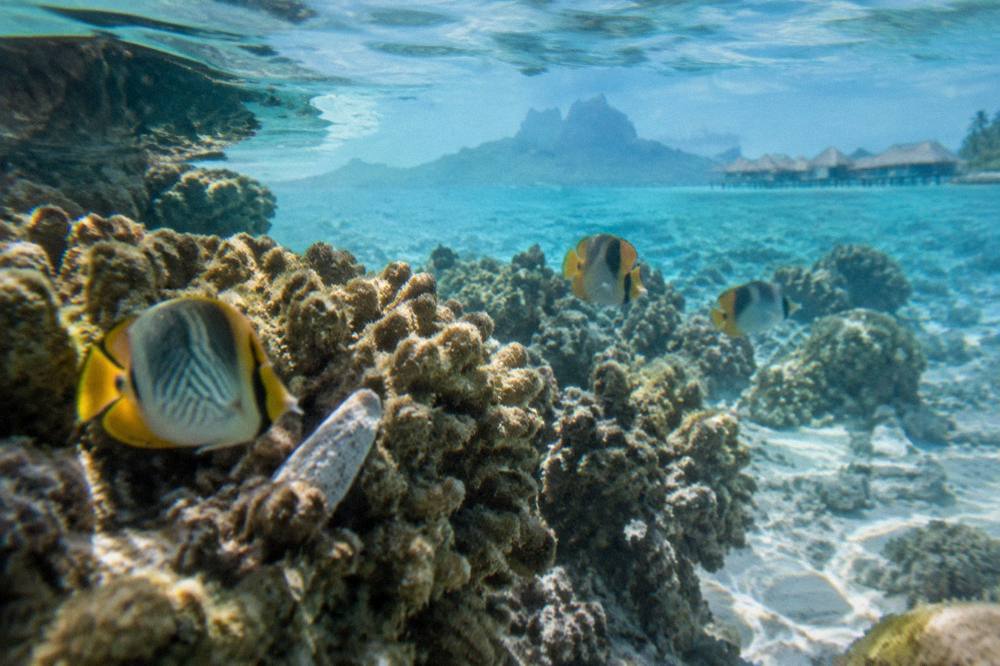
The rahui is the newer and less understood rule. Established by decree in December 2025, the Popora rahui covers 574 hectares of southern reef off Matira and is French Polynesia's first fully protected lagoon zone of this class: no fishing, no anchoring or vessel movement, no nautical tourism, no noise, with narrow exemptions for science and specific traditional events, per Radio Polynésie's report on the decree. For snorkelers this changes nothing about the standard stops, which sit outside the band, and Matira Beach itself remains open and free. What it signals is a direction of travel: the lagoon's management is tightening, and behaviour in the water increasingly has legal weight.
Whale rules apply only if you travel in the July to November season and book a dedicated whale activity, which no listing here is. Approved providers keep 100 m from whales, 300 m for private boaters, with a 3 knot limit inside 300 m, a parallel course, and no encircling, per the Tahiti Tourisme regulations on file. No snorkel tour on this site implies whales, and this article will not either.
Etiquette in the water is where the rules meet your hands and feet. The consensus across operator pages and the safety reporting: shuffle in sandy shallows so rays are not stepped on, stay at the surface near mantas and never dive down at one, never touch, chase, or block an animal's path, and let guides handle any close interaction. A review on the live listings regularly praises guides for enforcing exactly this. The full do-not list is short and non-negotiable, and it is the same list whether you are on a $107 safari or a $432 combo.
Who Should Book Which Shark And Ray Tour?
Short on time or nervous in the water: the 2.5 hour eco cruise or safari, from $107 to $112 per person. Want the whole lagoon day with lunch: the full-day group tour at from $173 per person, 5.0 from 1,715 reviews. Travellers who want adrenaline with their sharks: the jet ski combo at from $303 per person. Groups wanting privacy: private boats from from $560 per group.
The nervous swimmer case is more common than forums admit, and the short eco options answer it well. Two and a half hours is enough for the ray stand, the shark stop, and a coral garden, with minimal commitment if the water turns out to be off-putting. Flotation is stated on operator FAQ pages, non-swimmers are explicitly welcome with several operators, and the guides' supervision is the product you are buying as much as the animals are. Readers weighing the tradeoff should also skim our private versus group lagoon tour guide, since a private boat lets a nervous guest set the pace.
The value case points to the full-day family. Once you add a $25 to $40 lunch on land to a half-day ticket, the full-day lagoon tour with lunch at from $173 per person starts to look like the efficient buy: six hours, a 5.0 rating from 1,715 reviews, the most reviewed listing in the lineup, with shark and ray stops, coral gardens, and a motu lunch in one booking. The Moana full-day cruise, 4.8 from 734 reviews at from $154 per person, is the shared-boat equivalent. Neither guarantees sightings, and both state free cancellation.
The combo case is real for a specific reader: someone with one or two days on the island who wants jet ski speed and shark snorkeling in a single booking rather than two. The Moana jet ski tour and eco shark ray cruise, 4.8 from 391 reviews at from $303 per person with lunch included and six and a half hours of day, is the strongest of that family on review volume. The 4WD alternatives, from $158 to $246 per person, trade the jet ski for an island circuit including World War II sites. Our things to do overview places these against the land-only options.
The private case closes the set. A private boat with a guide, from $560 per group on the flexible-hours Ocean Tour listing or from $650 per group with H2O Bora Bora, buys control: your pace, your stops, no briefing shared with strangers, and the option to linger at the ray stand with a hesitant child or an keen photographer. Review pools are small on those listings, 5.0 from 11 and 5.0 from 126 respectively, so read them as quality signals from few guests rather than mass verdicts.
For completeness, the related listing for this article is the eco snorkel cruise itself, and its live page carries the current times and inclusions.
Common Questions About Swimming With Sharks And Rays In Bora Bora
Is it safe to swim with black tip reef sharks?
Thousands of guests do it each year in shallow, guided conditions, and the reporting on file records no fatalities from these species in French Polynesia. No source justifies calling any shark harmless. Safety comes from the setup: briefed groups, guides in the water, shallow sites, and an Environmental Code that has prohibited attracting or disturbing sharks since 2006.
Where is the best place to swim with stingrays?
The reliable encounters happen at shallow sandbank and motu-edge sites reached by boat, which the tours on this site visit daily with pickup from resort docks and the Vaitape quay. Matira Beach is free and shore-accessible with shallow water, but its coral is not pristine and the concentrated ray encounters belong to the boat sites.
Do the tours feed the sharks?
Some operators state an explicit eco no-feeding policy, while others make no such claim; the Moana eco safari is described as visiting natural congregation areas rather than baiting animals. Attracting sharks or modifying their behaviour is prohibited by French Polynesia's Environmental Code, so report only what a listing states.
Can children and non-swimmers join a shark and ray tour?
Yes on most lagoon tours with adult supervision. Operators such as H2O Bora Bora state on their FAQ pages that non-swimmers are welcome and flotation is provided, and child-sized gear is common. Deeper or more exposed stops suit confident swimmers better, and guides adapt the day to the group.
What does a shark and ray tour cost in Bora Bora?
Shared half-day options with the shark and ray stop run from $105 to $151 per person in this lineup, full-day tours with a motu lunch from $144 to $224 per person, combos from $158 to $432 per person, and private boats from $560 per group. Every figure is the listing's own stated price basis.
Are the shark and ray sites affected by the new marine reserve?
No. The Popora rahui, a 574 hectare no-take zone on the southern reef off Matira established in December 2025, is closed to boating and nautical activity, and tours route around it. The standard shark, ray, and coral garden stops used by the listings sit outside the protected band, and Matira Beach itself remains open and free.
Before you go, three listings cover this stop end to end, from the pure eco cruise to the full combo day.