Manta Rays In Bora Bora: Where, When And Etiquette
Bora Bora's reef mantas gather at a handful of lagoon cleaning stations, and no tour on the island guarantees them. Here is what the listings, the operators and the rules actually say about finding them, season by season, and how to behave in the water when one appears.
Short answer
Reef manta rays in Bora Bora gather mainly at the Anau cleaning station on the east side of the lagoon, reachable only by boat. Sightings are possible year round and never guaranteed. No tour in this lineup is a manta-only product; general lagoon snorkels describe manta stops as one highlight among rays, sharks and coral gardens. Approved etiquette keeps you at the surface and never closer than the animal chooses.
Reef manta rays are the animal most Bora Bora visitors hope to meet, and the one no operator can promise. They are wild, they move on their own schedule, and the lagoon sites where they gather are boat-access only. What follows is what the research supports: where mantas are commonly reported, which season stacks the odds in your favor, which lagoon tours describe manta stops at all, and the etiquette and protection rules that govern every encounter. The Bora Bora Snorkeling Tours comparison on the homepage ranks tours by format and value, not by manta odds, for exactly this reason: no listing in the lineup sells a guaranteed manta swim.
Where Can You See Manta Rays In Bora Bora?
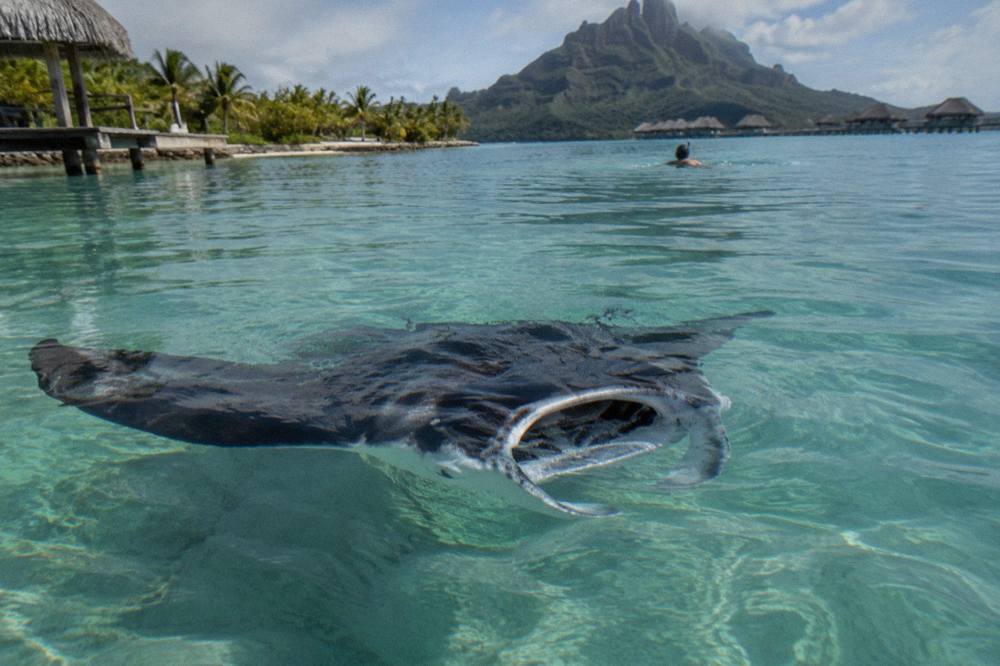
The main manta location in Bora Bora is the Anau cleaning station on the east side of the lagoon, roughly 12 km and about 20 minutes by road from Vaitape on the boat side of the island. It is reachable only by tour boat; guides decide on the day whether conditions suit a stop. Mantas also pass other reef sites, but Anau is the one named consistently in operator and guide descriptions.
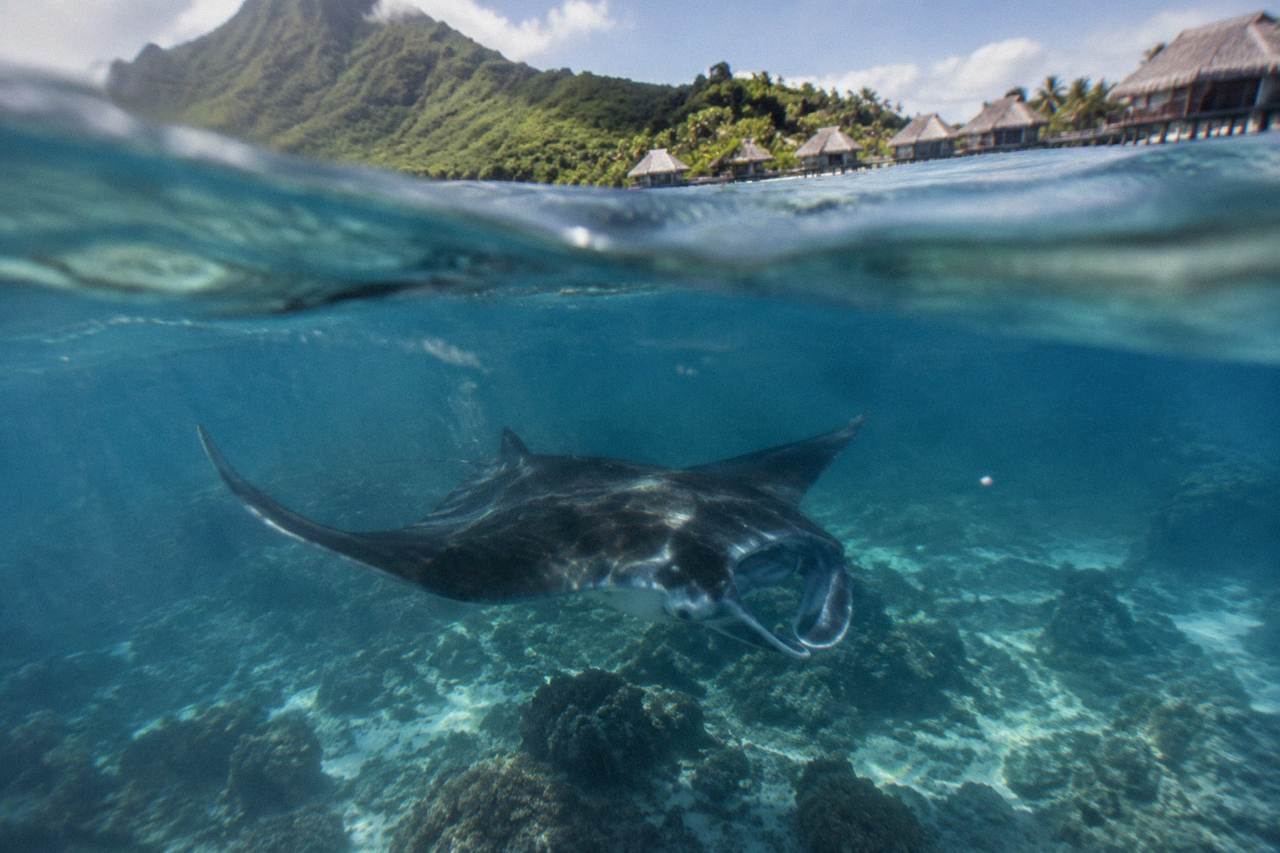
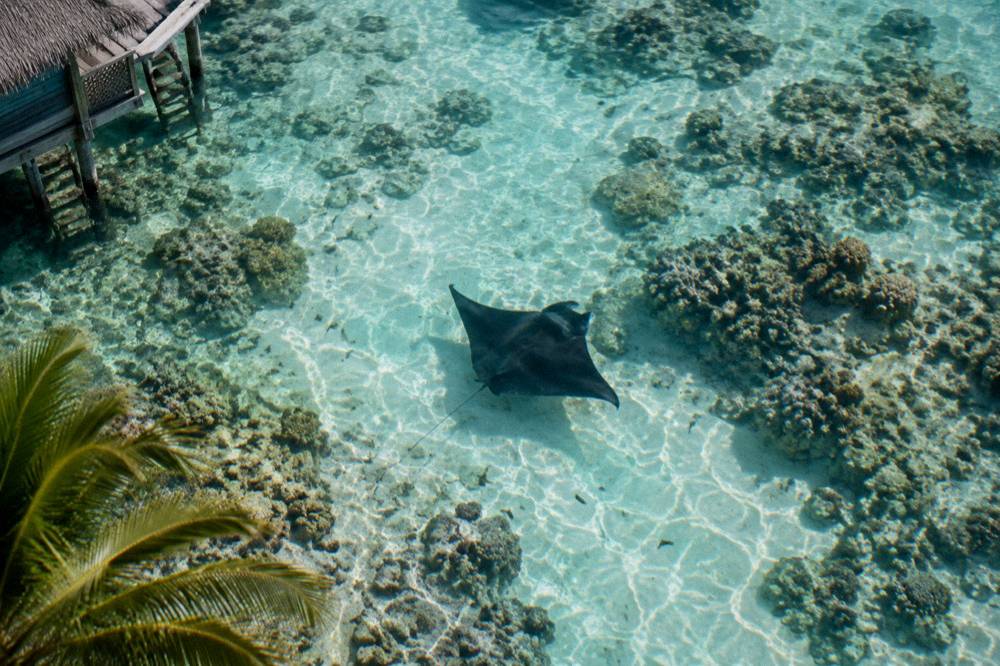
Anau works as a manta site because it is a cleaning station: small wrasses pick parasites off the mantas' skin, and the mantas return in loops to be cleaned, often in shallow water near the surface. A local snorkeling map and site guide describes the area as two coral reefs separated by sand, where reef mantas come to be cleaned alongside turtles, eagle rays, blacktip reef sharks and stingrays, while noting that visibility there varies and can be particle-loaded on its Anau page. That honesty matters: Anau is a manta site, not a manta aquarium.
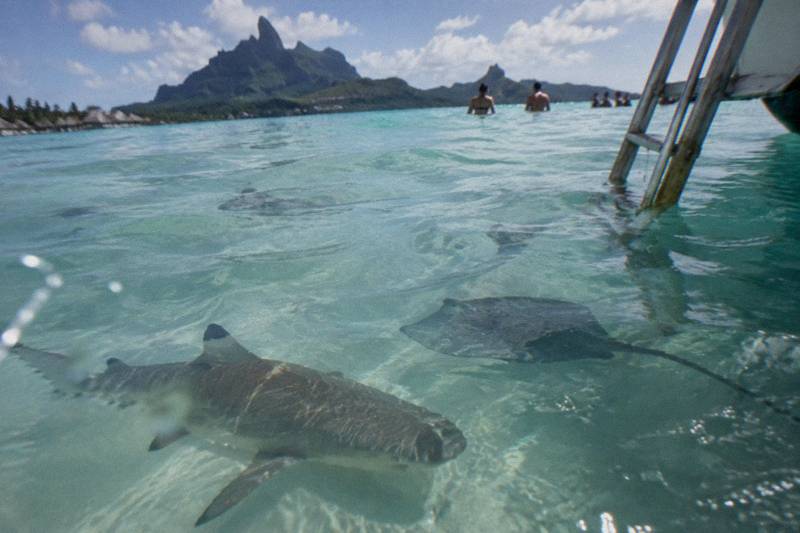
There is no public shore access to Anau. Recent guides state plainly that the station is accessible only via boat tour, with no shore entry recommended or permitted, citing private residential property, currents, safety and reef protection, and that guides brief guests and judge conditions on the day. Elsewhere in the lagoon, the Southern Coral Gardens near Motu Piti Uu Uta, the Aquarium area off Motu Pitiuu Uta, and the Motu Tane garden on the north side are all boat-access snorkel stops where blacktip reef sharks, stingrays and dense reef fish are the reliable draws; mantas there are occasional rather than expected.
For the broader map of lagoon sites, the Bora Bora snorkeling spots guide covers each stop in detail, and the Bora Bora Lagoonarium guide explains the motu-based alternative where rays, sharks and fish are seen under guide supervision in a natural lagoon enclosure.
| Site | Access | Commonly reported sightings | Honest expectation |
|---|---|---|---|
| Anau cleaning station | Boat only, east lagoon | Reef mantas at the cleaning station, turtles, eagle rays | The named manta site; sightings vary, never promised |
| Southern Coral Gardens | Boat only, near Motu Piti Uu Uta | Blacktip reef sharks, stingrays, reef fish schools | Mantas possible but not the focus |
| The Aquarium (Motu Pitiuu Uta) | Boat or lagoon tour | Dense reef fish, stingrays, sheltered clear water | General snorkel stop |
| Motu Tane garden | Boat only, north lagoon | Hard and soft corals, stingrays, blacktip sharks | Quieter photo stop, occasional eagle rays |
| Matira Beach | Shore, public and free | Stingrays, parrotfish, butterflyfish in shallows | Shore snorkeling only, mantas not expected |
When Is The Best Season For Manta Rays In Bora Bora?
There is no closed manta season in Bora Bora: sightings are reported year round, and no official source sets manta months. The practical season is the dry season, May to October, when rainfall and wind drop and operators and guides describe calmer, clearer lagoon water. Mornings are generally calmer than afternoons at exposed sites like Anau.
Meteo-France's climate sheet for the Bora Bora station puts the dry-season contrast in numbers: July averages 61.9 mm of rain over 9.4 rain days against January's 245 mm over 17.2 days, and August is the driest month on the sheet. A secondary sea-temperature series puts the lagoon at its yearly low of 26.7 C in August and September and at 28.4 to 28.9 C from January through April, so the water never turns cold; it is the rain, wind and reduced clarity of the wet season that work against a good Anau stop, not the temperature. Humpback whales add a separate July to November season per Tahiti Tourisme, but no listing is a whale product, and a snorkel tour should never be booked as one.
July and August are also the busiest and most expensive months on the island. May, June, September and October deliver similar dry-season conditions with thinner crowds, which matters at a small-site cleaning station where several boats can arrive at once. If mantas are the priority, booking a morning departure in a shoulder month is the single best stack of odds available, and it costs nothing extra.
If your dates are flexible, the best time to snorkel in Bora Bora guide breaks the same climate data down month by month, and the where is the clearest water post explains why dry-season clarity and wind direction decide which side of the lagoon tours use on a given morning.
Which Bora Bora Tours Realistically Offer Manta Rays?
No tour in this lineup is a manta-only product, and none guarantees reaching a manta site. The honest framing: general lagoon snorkels list manta stops among several highlights, and success depends on the day's conditions and where the mantas are. Independent operators elsewhere on the island market dedicated manta trips, but those are not the listings compared here.
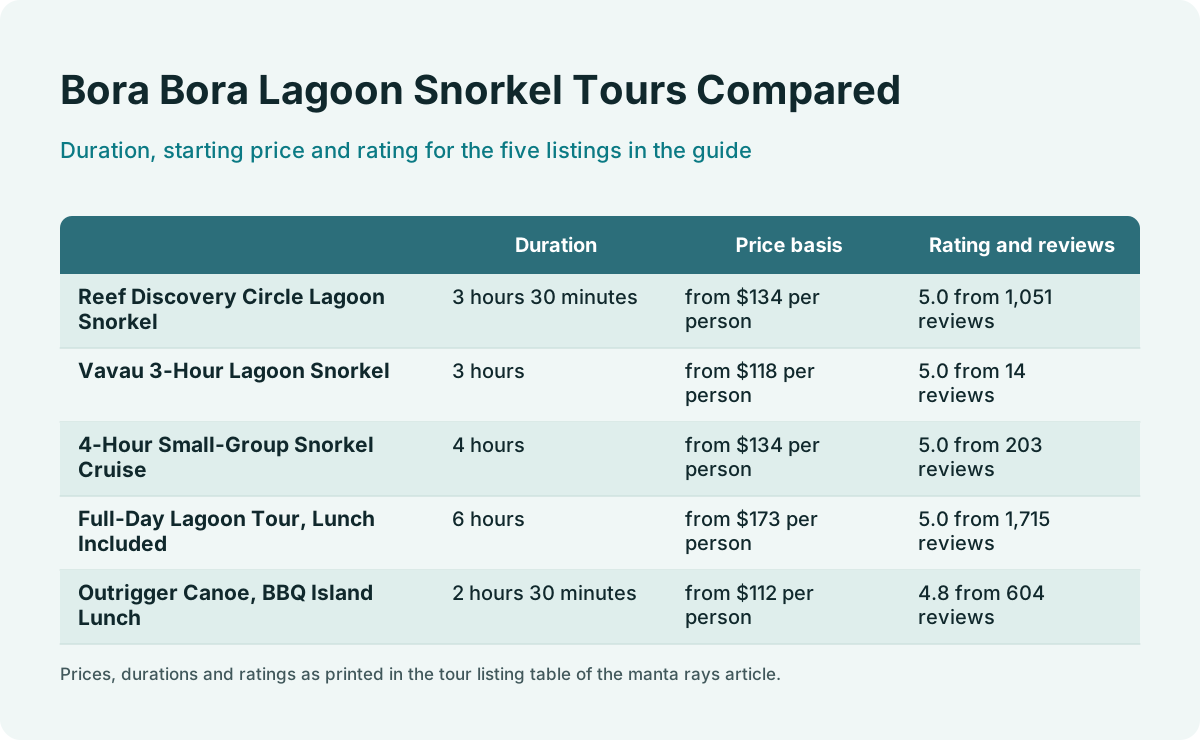
The Reef Discovery Half Day Group Signature Tour, from $134 per person for 3 hours 30 minutes with a 5.0 rating from 1,051 reviews, circles the lagoon with pickup, gear and free cancellation listed, and describes its route around the island's snorkel stops rather than a single species. The Vavau Adventures half-day lagoon snorkel, from $118 per person for 3 hours, and the Lagoon Service small-group cruise, from $134 per person for 4 hours, are the same shape of product: a circuit of coral, ray and shark stops where a manta appearance is a bonus the guide cannot book in advance. Research on other island operators shows at least one 28-foot boat tour that lists swimming with manta and leopard rays among its stops, which confirms the format exists, but that operator is not part of the lineup compared on this site and its price is not quoted here.
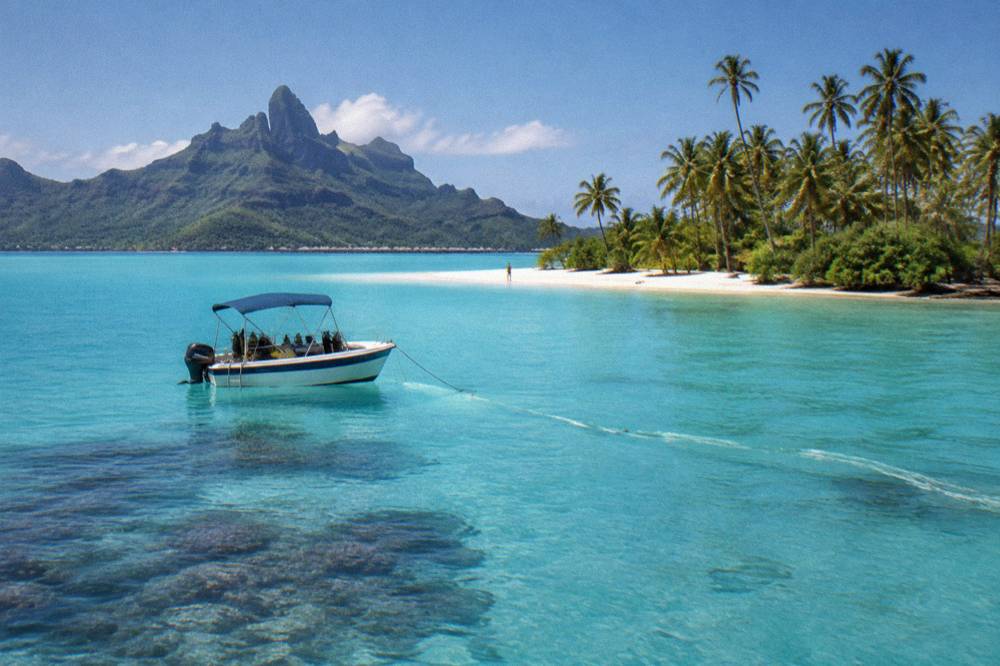
The full-day options buy more water time, which is the one variable that genuinely improves manta odds. The Full Day Lagoon Group Tour with Lunch from Lagoon Service, from $173 per person for 6 hours, holds a 5.0 rating from 1,715 reviews, the most reviewed listing in the lineup. More hours means more stops, and more stops means more chances that one of them coincides with feeding or cleaning mantas. The eco snorkel cruise from Moana Adventure Tours, from $112 per person for 2 hours 30 minutes, is the shorter, cheaper counterweight: sharks and stingrays in a compact outing, with mantas not the headline.
| Listing (card name) | Format and duration | Price basis | Rating and reviews | Manta relevance |
|---|---|---|---|---|
| Reef Discovery Circle Lagoon Snorkel | Shared half day, 3 hours 30 minutes | from $134 per person | 5.0 from 1,051 reviews | Circle route with multiple stops |
| Vavau 3-Hour Lagoon Snorkel | Shared half day, 3 hours | from $118 per person | 5.0 from 14 reviews | Short lagoon circuit |
| 4-Hour Small-Group Snorkel Cruise | Small group, 4 hours | from $134 per person | 5.0 from 203 reviews | More water time, small boat |
| Full-Day Lagoon Tour, Lunch Included | Small group, 6 hours | from $173 per person | 5.0 from 1,715 reviews | Most stops, most reviewed on lineup |
| Traditional Outrigger Canoe Snorkel | Small group, 2 hours 30 minutes | from $112 per person | 4.8 from 604 reviews | Short eco cruise, sharks and rays |
For readers weighing boat formats against each other, the private versus group lagoon tour guide covers the trade-offs; a private boat can linger at a manta stop in a way a shared circuit cannot, which is the strongest practical argument for going private when mantas are the goal.
How Close Can You Get To A Manta Ray In Bora Bora?
There is no fixed distance rule for manta rays in the way there is for whales. The governing etiquette, described consistently by guides, is that the animal sets the distance: stay at the surface, remain calm and horizontal, and never dive down, touch, chase or block its path. Mantas frequently pass close to calm snorkelers on their own terms.
The rules that are written down concern other species. French Polynesia's Environmental Code has protected all shark and ray species since 2006, in what is described as the world's largest shark sanctuary, and the code prohibits any attempt to attract sharks or actions likely to alter their behavior; mantas, as rays, fall under the same protected-status umbrella. Whale approach rules are separate and explicit: Tahiti Tourisme's regulations page states that approved providers keep 100 m from whales, 300 m for private boaters, travel no more than 3 knots within 300 m, hold a parallel course and never encircle the animals. Those distances do not apply to mantas, but they set the tone of the jurisdiction: the animals' terms, not the swimmer's.
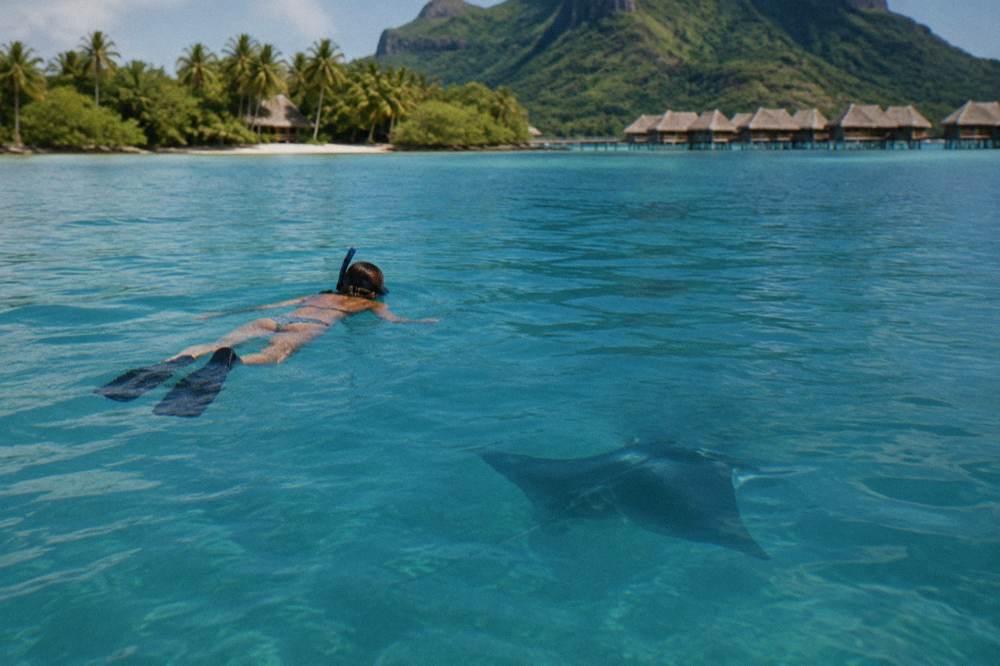
Practical etiquette at a cleaning station is well documented in current guides. Stay at the surface where mantas feed and are cleaned; a calm, horizontal snorkeler reads as part of the landscape, while a diver kicking down toward the reef reads as a threat and ends the encounter for everyone in the water. Do not reach out, even when a manta loops within arm's length, which they do. Do not chase one across the lagoon or position yourself in its swimming lane. Guides brief these points before every manta stop, and the swimming with sharks and rays guide covers the same principles for the ray and shark species you are far more likely to meet.
| Situation | The rule guides give | Why it matters |
|---|---|---|
| Manta approaching at a cleaning station | Stay still, horizontal, at the surface | The manta decides the distance; thrashing ends the loop |
| Manta swimming away | Do not follow or chase | Pursued mantas leave the site entirely |
| Reef sharks or stingrays nearby | Let guides direct any interaction; never grab | Rays defend themselves with barbed tails if stepped on or seized |
| Sandy shallows entry | Shuffle feet rather than step | Reduces the chance of standing on a buried ray |
| Any lagoon wildlife | No touching, no feeding unless a listing states it | Protected species; behavior alteration is prohibited |
Can You See Manta Rays From Matira Beach Or The Shore?
No. Matira Beach, the island's only public beach, offers free shore snorkeling over sand and shallow reef where stingrays, parrotfish and butterflyfish are commonly reported, but it is not a manta site. The manta cleaning station sits on the east side of the lagoon and is reachable only by boat, and current guides state no shore access to it is recommended or permitted.
Matira is still the best free snorkeling on the island. Access is free, with no gates or resort requirement, and the shallow water suits beginners and children; bring your own gear, since nothing is rented as part of beach access. Guides note the coral there is not pristine, which is the honest trade for convenience. The Matira Beach snorkeling guide covers what to expect from the sand, and the free-things-to-do guide lists the beach alongside the Vaitape waterfront and the ring-road views of Mount Otemanu at 727 m.
One change affects the southern end of that shore. In December 2025 a decree established the Popora rahui, a 574-hectare Class 1A no-take zone on the southern reef off Matira, French Polynesia's first full-protection lagoon zone of this kind, closed to fishing, boating, nautical activity and anchoring, with limited exemptions for scientific and traditional uses as reported at its creation. Tours do not enter it, and no listing ever claimed to. Beach swimming at Matira itself continues outside the protected reef band.
What Makes A Manta Encounter Ethical On A Bora Bora Tour?
An ethical manta tour in Bora Bora is one that visits natural gathering sites, briefs guests on surface etiquette and never treats feeding or baiting as a feature. Since 2006 the Environmental Code protects all sharks and rays and prohibits attracting sharks or altering their behavior, and listings in this lineup describe visits to natural congregation areas rather than staged encounters.
Operators differ in emphasis, and the listings are transparent about it. Some eco-focused cruises explicitly state a no-feeding policy and visit sites where sharks and rays gather naturally; others describe close wildlife interaction without detailing attractants, which the rules restrict in any case. As a reader, the check is simple: read what the listing itself says about feeding, read whether it names a briefing, and treat any product promising a specific animal at a specific time with skepticism, because no honest operator in this lineup makes that promise.
The same logic extends to sunscreen. There is no blanket chemical-sunscreen ban in French Polynesia as of 2026, so it should not be described as law, but guides across the island strongly recommend mineral, non-nano zinc oxide or titanium dioxide formulas over oxybenzone and octinoxate products to protect reef coral. The reef-safe sunscreen in French Polynesia post goes deeper than this paragraph needs to.
For non-swimmers and hesitant swimmers in the group, several island operators, including established lagoon outfits, state in their own FAQs that they welcome non-swimmers and supply flotation and guided supervision; the can non-swimmers snorkel in Bora Bora post collects the detail. A manta stop at the surface is among the more accessible wildlife encounters on the island precisely because the etiquette demands nothing more than floating.
Should You Book A Private Boat For Manta Rays In Bora Bora?
A private boat does not raise the odds of mantas being present, but it changes what happens when they are: the skipper can linger, reposition and time the stop around your group rather than a shared schedule. Private lagoon charters in the lineup run from $560 to $1,776 per group, so it is a meaningful premium for flexibility.
The lineup's private listings span a real range. Ocean Tour Bora Bora's private lagoon, snorkel and motu lunch experience runs from $560 per group for 3 to 6 flexible hours, rated 5.0 from 11 reviews. H2O Bora Bora's private boat snorkel runs from $650 per group for 3 hours 30 minutes, rated 5.0 from 126 reviews. At the top, Reef Discovery's private full-day lagoon tour with a water lunch runs from $1,776 per group for 5 hours 30 minutes, rated 5.0 from 33 reviews. The same operator's shared half day, described earlier, is the budget counterpoint at from $134 per person.
Whether that premium buys mantas depends on the day. What it reliably buys is time: a shared 3.5-hour circuit typically spends 20 to 30 minutes at any one stop, while a private skipper watching mantas loop a cleaning station can stay until the animals move off, then rebuild the itinerary around what the lagoon is doing that afternoon. For photographers and for families with one keen snorkeler, that flexibility is often worth more than the species list.
| Private listing | Group price basis | Duration | Rating and reviews | What the price buys |
|---|---|---|---|---|
| Private Boat, Flexible 3-6 Hours | from $560 per group | 3 to 6 hours | 5.0 from 11 reviews | Flexible timing, motu lunch experience |
| Private Boat, Morning or Afternoon | from $650 per group | 3 hours 30 minutes | 5.0 from 126 reviews | Set private circuit, gear and pickup listed |
| La Plage Private Lagoon Trip | from $605 per group | 3 hours 30 minutes | 4.9 from 172 reviews | Established private operator |
| Private Full Day, Otemanu Water Lunch | from $1,776 per group | 5 hours 30 minutes | 5.0 from 33 reviews | Longest private day, lunch served in the water |
For most readers the shared full day remains the value pick: the featured Full Day Lagoon Group Tour with Lunch gives six hours of lagoon time, lunch and the lineup's largest review pool at 5.0 from 1,715 reviews, all from $173 per person check availability, with the full-day tour detail page alongside it.
What Can A Manta Tour In Bora Bora Honestly Promise?
A listing can honestly promise the boat, the route, the guide, the gear and the stops it names. It cannot promise a manta ray, a sighting of any species, visibility or weather, because all of those are wild variables. The strongest honest claim in this lineup is a circle of the lagoon's best sites with a crew that will go where the morning's information points.
Read the listings with that filter and they hold up well. The half-day products, from the eco cruise at from $107 per person to the Rohivai shared safari at from $112 per person, describe sharks, rays, coral gardens and fruit or meal stops as their content. The full-day products add a motu lunch and more stops. The private products add flexibility. Not one of them prints the word guaranteed next to an animal, and that restraint is the mark of operators working inside a sanctuary, not a marketing gap.
If mantas are the whole reason for the trip, plan for probability rather than certainty: dry season, morning departure, a full-day or private format, and a fallback list you genuinely want, because the coral gardens, the ray encounters and the shark passes are the encounters you will actually get, and they are considerable. The things to do in Bora Bora round-up places the lagoon tours in that wider context.
Common Questions About Manta Rays In Bora Bora
Are manta rays in Bora Bora guaranteed on tours?
No. No listing in this lineup is a manta-only product and none guarantees a sighting. Mantas are wild animals at open lagoon sites; tours describe manta stops as one possible highlight among coral gardens, stingrays and reef sharks, and guides decide stops on the day's conditions.
Where do manta rays gather in Bora Bora?
The Anau cleaning station on the east side of the lagoon is the site named consistently by operators and guides. Reef mantas return there to be cleaned by wrasses. It is reachable only by boat, roughly 12 km from Vaitape on the road side, and no shore access is recommended or permitted.
When is manta season in Bora Bora?
There is no official closed or open manta season; sightings are reported year round. The practical best window is the dry season from May to October, when Meteo-France data shows the lowest rainfall and guides describe calmer, clearer water, with mornings generally better than afternoons.
How close can you swim to a manta ray in Bora Bora?
The animal sets the distance. Etiquette requires staying at the surface, calm and horizontal, and never diving down, touching, chasing or blocking a manta's path. Mantas often pass within arm's length of still snorkelers on their own terms; reaching toward them can end the encounter.
Can you see manta rays from Matira Beach?
No. Matira is the island's public beach with free shore snorkeling over sand and shallow reef where stingrays and reef fish are commonly reported, but it is not a manta site. The manta station is boat-access only on the east side of the lagoon.
Are manta rays protected in French Polynesia?
Yes. The Environmental Code has protected all shark and ray species since 2006 and prohibits attracting sharks or altering their behavior. The Popora rahui, a 574-hectare no-take zone off Matira created in December 2025, adds full protection to the southern reef, though tours do not enter it.