Bora Bora Water Temperature And Visibility By Month
The Bora Bora lagoon stays warm enough to snorkel in every month of the year, but rainfall, wind and season change how the water reads underwater. Here is what the climate record and the tour listings say, month by month.
Short answer
A sea-temperature series puts the Bora Bora lagoon between 26.7 C and 28.9 C across the year, warm enough to snorkel without a wetsuit in any month. The dry season from May to October brings the least rain, 61.9 to 112 mm per month, and operators describe the calmest, clearest water then.
Bora Bora sits inside a lagoon that behaves more like a warm bath than an ocean. A secondary sea-temperature series puts the water between 26.7 C in August and 28.9 C in March, a range so narrow that thermal comfort is never really the question. What changes the snorkeling is rain, wind and the light, and those swing widely between the dry season from May to October and the wet season from November to April. This guide lays out the climate record month by month, explains what each number means for the water you will actually float in, and connects the seasons to the tours that run in them, from the full-day lagoon group tour with lunch to short half-day options. If you're still weighing whether Bora Bora is the right island for your trip, the Moorea versus Bora Bora snorkeling comparison covers how the two lagoons differ in character, marine life and tour style.
One thing this guide deliberately does not do is quote underwater visibility in meters. Operators and guide blogs throw those figures around, but no official measurement exists for Bora Bora, so the honest version is qualitative: the dry season is widely described as the calmer, clearer period, and the wet season as warmer but more variable. Everything numeric below comes from the Meteo-France climate sheet for the Bora Bora station and from the tour listings themselves.
What Is The Water Temperature In Bora Bora By Month?
A sea-temperature series puts the Bora Bora lagoon between 26.7 C and 28.9 C in every month of the year, with the coolest water in August and September and the warmest in March. The Meteo-France station record shows the matching air pattern, with maximum temperatures fairly steady year-round while rainfall does most of the seasonal work. Snorkelers rarely need a wetsuit in any month.
The source for the sea figures is a secondary series rather than an official station; no government sea-temperature measurement exists for Bora Bora, so the site treats the numbers as a reliable planning guide rather than an exact reading. The pattern is what matters. The lagoon dips to its lowest in the southern-hemisphere winter months of August and September, at 26.7 C, and peaks at 28.9 C in March, at the end of the wet season. For anyone comparing destinations, that spread is about two degrees, which most snorkelers feel for the first five minutes and then forget.
Air temperature barely moves the needle. The Meteo-France sheet for station 98714002, Bora Bora Motu Aero, records maximum temperatures that stay in a narrow band all year, so the real monthly variable is rain. The station records 1,654.1 mm of rainfall across an average year, and the distribution is strongly seasonal: January averages 245 mm over 17.2 rain days, while August averages 63.7 mm over 8.8 days. That contrast, more than temperature, is what separates a glassy morning on the reef from a squally one.
| Month | Sea temperature (C) | Rainfall (mm) | Rain days (Rr >= 1 mm) |
|---|---|---|---|
| January | 28.4 | 245.0 | 17.2 |
| February | 28.4 | 211.5 | 15.3 |
| March | 28.9 | 168.1 | 14.5 |
| April | 28.7 | 143.9 | 11.8 |
| May | 28.2 | 112.0 | 11.4 |
| June | 27.4 | 85.5 | 9.7 |
| July | 26.9 | 61.9 | 9.4 |
| August | 26.7 | 63.7 | 8.8 |
| September | 26.7 | 64.6 | 9.3 |
| October | 27.3 | 108.7 | 10.6 |
| November | 27.9 | 138.5 | 12.3 |
| December | 28.3 | 250.7 | 16.8 |
The sea-temperature column is from a secondary series, tracked at a public sea-temperature page for Bora Bora; the rainfall and rain-day columns are from the official Meteo-France climate record. Read together they tell a simple story: the water is always warm, and the rain is what you plan around.
When Is The Best Time To Snorkel The Bora Bora Lagoon?
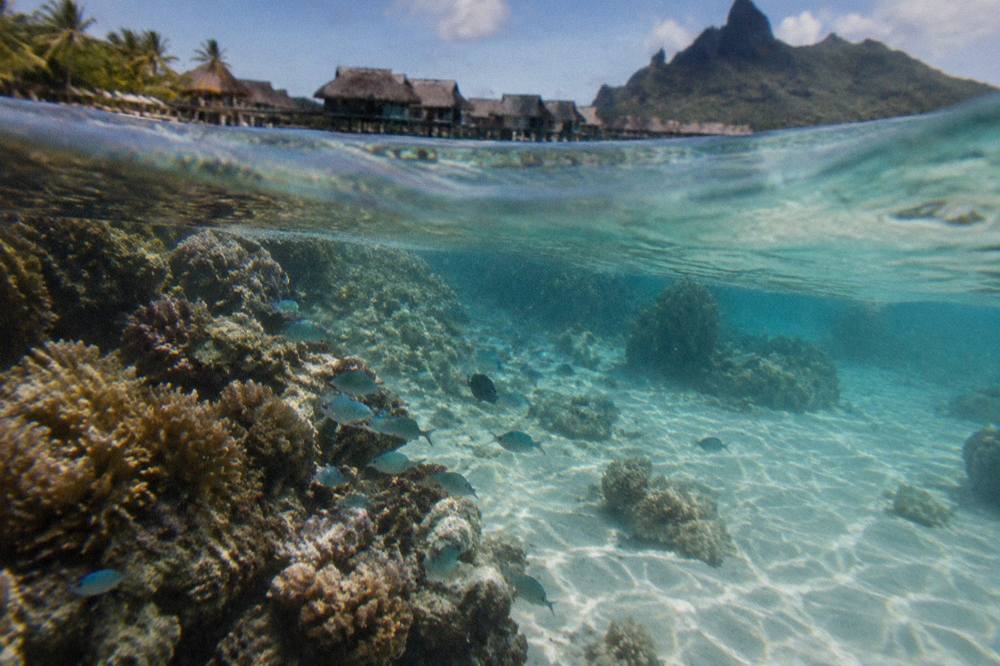
The best months for snorkeling the Bora Bora lagoon are May to October, the dry season, when rainfall drops to between 61.9 and 112 mm per month and operators and guides consistently describe calmer, clearer water. July and August are the busiest and most expensive; May, June, September and October deliver similar conditions with thinner crowds. To see how every month compares on weather, lagoon clarity and prices beyond the dry season, our month-by-month ranking of Bora Bora covers the full year in detail.
Every planning source converges on the same window. Tahiti Tourisme's own guidance marks May to October as the dry season, and the Meteo-France record backs it with numbers: the six driest months of the year are exactly those six, bottoming out in July and August. Operators and guide descriptions of the underwater experience follow the same line, describing the dry season as the period of calmer lagoon conditions and the wet season as warmer but prone to rain squalls and reduced clarity. None of those descriptions comes with an official visibility figure, and this site does not print one.
Within the dry season there is a practical split. July and August are the peak months for both crowds and prices, the height of the southern-hemisphere travel season. The shoulder months, May, June, September and October, offer what the climate record shows is essentially the same weather, with marginally more rain in the bookend months, at 112 mm in May and 108.7 mm in October, against the 61.9 mm of July and the 85.5 mm of June. Many repeat visitors deliberately choose those shoulders.
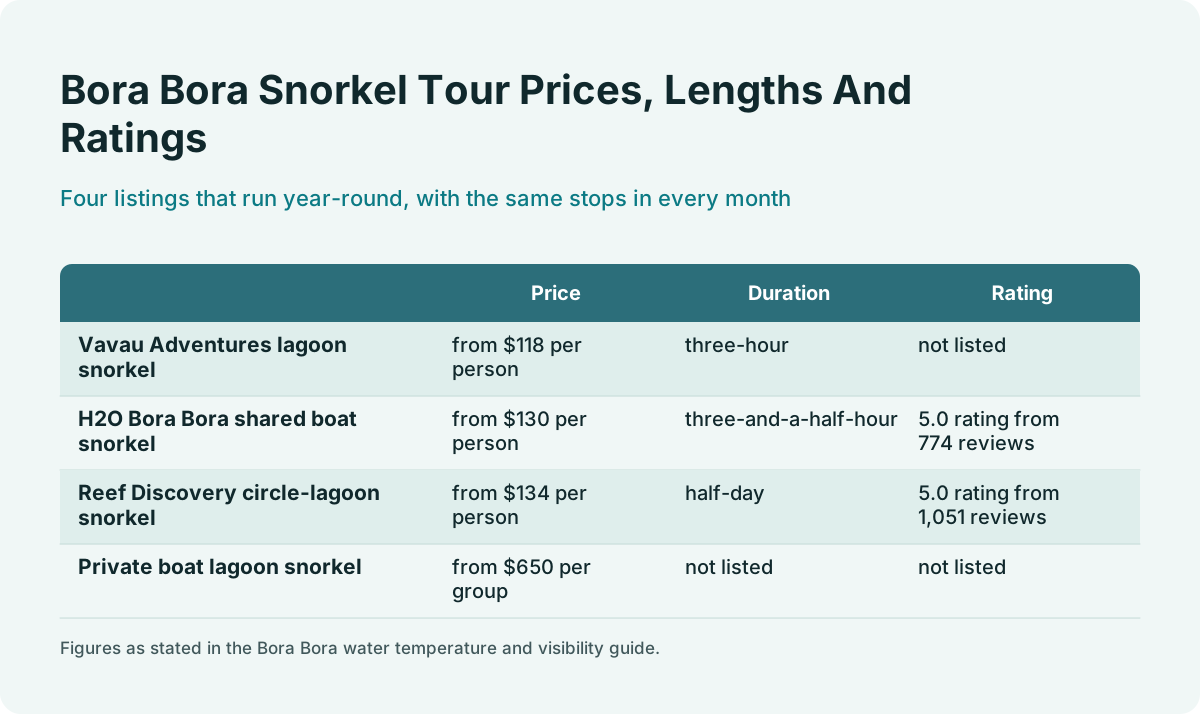
The tours themselves do not change with the calendar; the same listings run year-round. What changes is the experience of them. The Reef Discovery half-day circle-lagoon snorkel, from $134 per person with a 5.0 rating from 1,051 reviews, covers the same stops in December as in June, but the dry-season version is more likely to match the postcard. The full-day lagoon group tour with lunch, the most reviewed listing in the lineup at 5.0 from 1,715 reviews, is a long day on the water, and a calm dry-season day makes the difference between a leisurely drift over the coral garden and a choppy one.
For travelers who cannot choose their month freely, the honest summary is that there is no bad water-temperature month, only wetter and drier ones. A wet-season trip trades a chance of squalls for the warmest water of the year and lower shoulder pricing on flights and stays.
Does Rain Affect Visibility In The Bora Bora Lagoon?
Yes, heavy rain affects lagoon visibility, which is why the wet season, November to April, is described by operators and guides as having more variable underwater clarity than the dry season. Rainfall in the wettest months runs 138.5 to 250.7 mm per month, four times the dry-season figures, and runoff plus stirred sediment are the mechanisms guides point to.
The lagoon is a shallow, enclosed body of water between the island and the outer reef, and its clarity responds to two things: how much freshwater and sediment wash in from the land after rain, and how much wind stirs the surface and the sandy shallows. Both are worse in the wet season. The Meteo-France record shows December averaging 250.7 mm of rain over 16.8 rain days, and January 245 mm over 17.2 days, versus 63.7 mm over 8.8 days in August. After a heavy fall, guides describe the water near river mouths and sandy bays as murkier until the tide exchanges it.
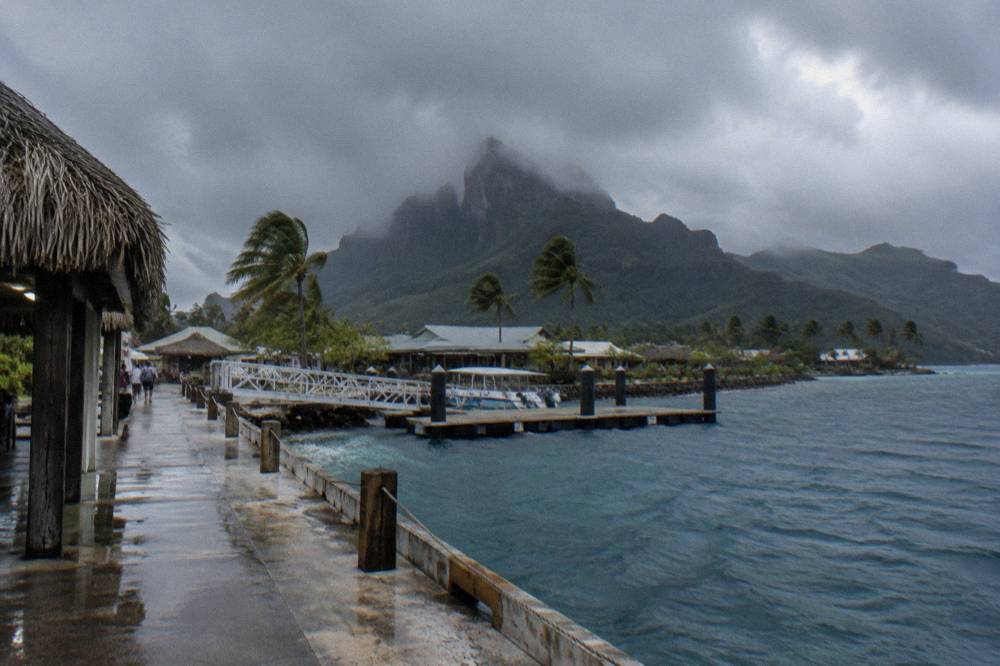
Two practical points soften the picture. First, rain in the tropics often arrives in short, intense squalls rather than all-day drizzle; a wet-season morning can still be glassy. Second, the classic snorkel stops are spread around the lagoon, and operators move between them with the conditions, which is one of the arguments for a guided boat tour over a fixed shore spot. Guide descriptions of the major sites note that early mornings are generally calmer than afternoons, in any season, and that visibility at any single site varies with the day rather than the calendar alone. More detail on individual sites is in the Bora Bora snorkeling spots guide.
Wet-season snorkeling is still entirely worthwhile. The water is at its warmest, the fish do not leave, and the lineup's short tours, like the Vavau Adventures three-hour lagoon snorkel from $118 per person, make it easy to slot a snorkel into the calm window of an otherwise showery day. Booking with free cancellation, which most listings in the lineup carry, adds flexibility if a front sits over the island.
How Does Wind Change Snorkeling Conditions Around Bora Bora?
Wind matters as much as rain for snorkeling conditions around Bora Bora, because the lagoon's clarity and surface calm depend on how hard the trade winds push across the water. The dry season's lighter, steadier conditions are what operators describe when they call May to October the calmest period; fresh winds raise chop, stir sand and make surface swims less comfortable.
No official wind-speed climatology for Bora Bora is on file for this site, so wind is treated qualitatively, the same as visibility. What can be said firmly is the pattern every operator works with: the southeast trades dominate the region, mornings are typically the lightest window, and exposed sides of the lagoon get rougher before sheltered ones. Skippers read this daily and route accordingly, which is why two tours on the same listing can visit the same reef in a different order.
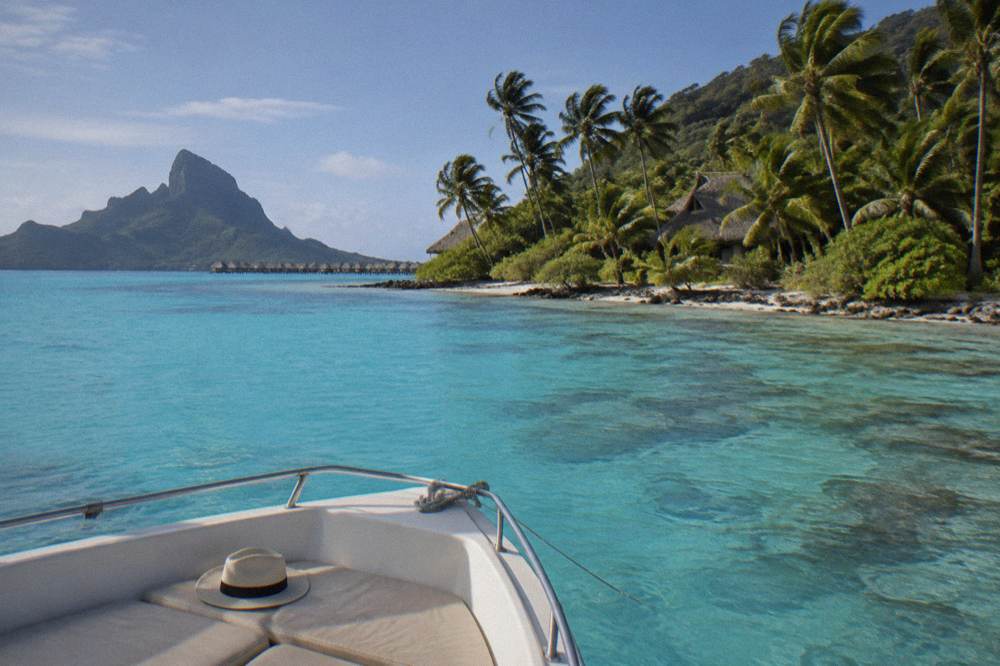
For shore-based snorkeling the wind question is sharper, because you cannot move. Matira Beach, the island's only public beach, sits at the southern tip of the main island with free access and shallow water, and its conditions follow the wind of the day. The Matira Beach snorkeling guide covers how to read it. Boat tours have the advantage: when one side of the lagoon is chopped up, the skipper moves the group to a lee stop, and the coral gardens and ray sites on the sheltered side often hold clearer water precisely because of that.
The listings reflect this flexibility. The half-day shared boat snorkel run by H2O Bora Bora, from $130 per person with a 5.0 rating from 774 reviews, is a three-and-a-half-hour circuit with multiple stops, and its value in breezier months is exactly that it is not pinned to one site. Private options, like the private boat lagoon snorkel from $650 per group, add the further freedom to shorten or shift the route; the trade-offs are laid out in the private versus group lagoon tour guide.
What Does The Season Mean For Shark And Ray Snorkeling In Bora Bora?
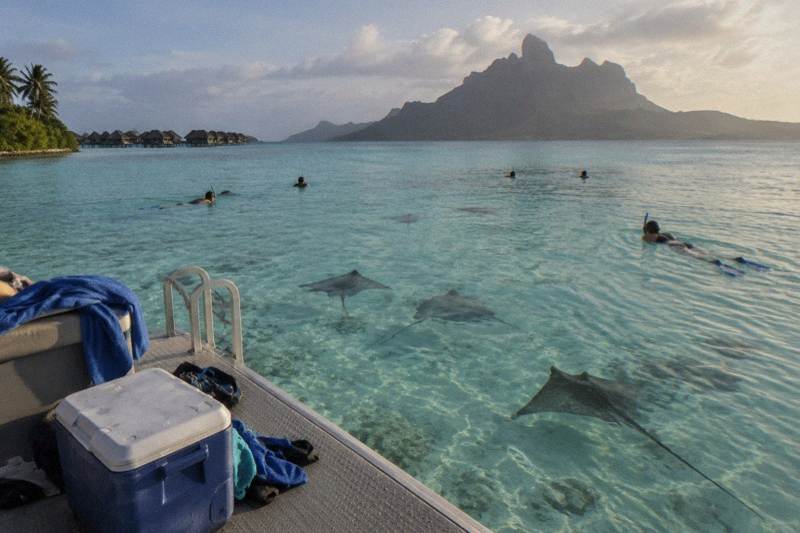
Sharks and rays are present in the Bora Bora lagoon year-round, and the season mainly changes the water you meet them in rather than whether they are there. Blacktip reef sharks, typically 0.5 to 1.5 m, are the common species per operators and guides, and French Polynesia has protected all shark and ray species in its waters since 2006.
That protection is not a footnote; it is the reason the lagoon snorkel product exists in its current form. The Environmental Code of French Polynesia prohibits any attempt to attract sharks or actions likely to alter their behavior, and the Direction de l'Environnement publishes guidance recognizing the sanctuary's species. Some listings state an eco, no-feeding policy explicitly; others describe visiting natural congregation areas. This site reports only what each listing states, and the lineup's eco shark and ray cruise, from $107 per person, is an example of the no-feeding approach. The full picture, including behavior rules for snorkelers, is in the swimming with sharks and rays guide.
Seasonally, the dry season's calmer water simply makes the encounter easier, particularly for less confident swimmers, and guides brief guests on how to behave around the animals in every month. Mantas are a separate case: the Anau cleaning station on the east side of the lagoon is reached by boat tour, guides decide conditions on the day, and etiquette requires staying at the surface and never blocking the animals' path, per current Bora Bora snorkeling guidance. No listing promises a manta sighting, and no honest article should either.
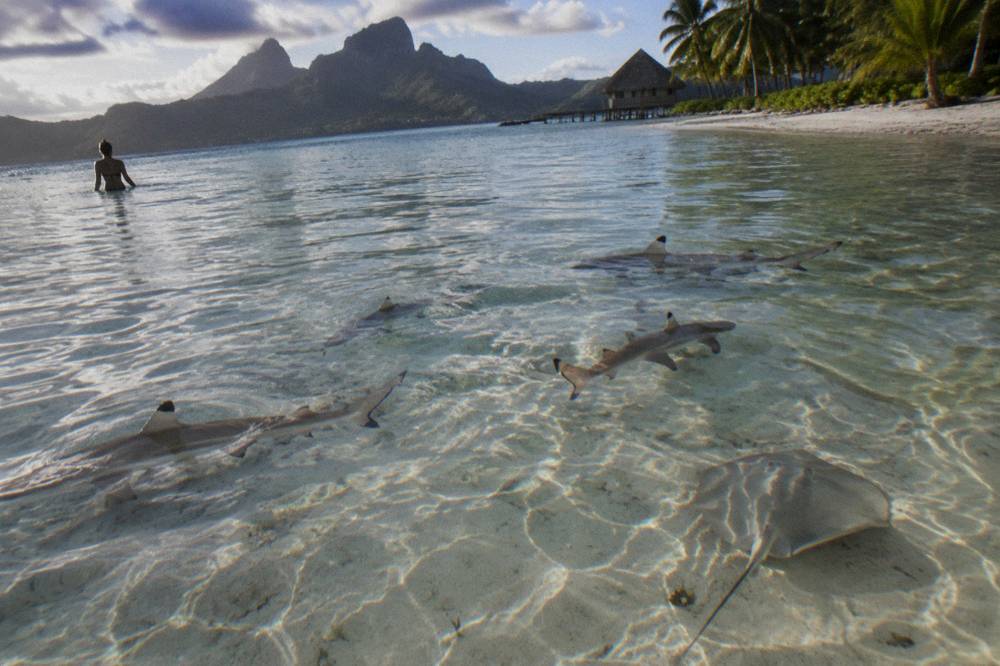
Water temperature plays almost no role in these encounters. At 26.7 C in the coolest month, the sharks, rays and reef fish of the lagoon are as active in August as in March, and the tour calendar does not pause. What does pause in the wet season is comfort: a squall mid-swim is a different experience from flat sunshine, which is another reason the free-cancellation terms most listings carry are worth checking before you book.
Which Bora Bora Tours Work Best In Each Season?
Every lagoon tour in the lineup runs year-round, but the season argues for different formats: short half-day tours suit the wet season's changeable windows, full-day tours with a motu lunch suit the long calm days of the dry season, and the shoulder months of May, June, September and October are when the big days deliver their best value.
The logic is straightforward. A full-day listing like the Vavau Adventures seven-hour lagoon snorkel, from $158 per person, commits you to the whole arc of the day, which is a gift in dry-season conditions and a gamble when a December front is due at noon. Conversely, a two-and-a-half-hour eco shark and ray cruise from $107 per person, or the three-hour Vavau half day from $118 per person, can slide into the calm morning of an otherwise wet day. The Reef Discovery half day from $134 per person, with its 5.0 rating across 1,051 reviews, is the lineup's most-reviewed short option and a natural dry-season morning choice as well.
| Tour format | Lineup price range | Best seasonal fit | Why |
|---|---|---|---|
| Half-day lagoon snorkel | from $105 to $151 per person | Wet season, shoulder months | Fits the calm morning window; easy to rebook around squalls |
| Full-day lagoon tour with motu lunch | from $144 to $224 per person | Dry season | Long calm days suit the full circuit and the beach lunch |
| Private boat snorkel | from $560 to $1,776 per group | Any season | Route and timing flex with conditions on the day |
| Jet ski and snorkel combo | from $158 to $432 per person | Dry season | Choppy wet-season afternoons make the ski leg less fun |
The price range in the table uses real lineup endpoints across listings in each family; individual figures for every listing are in the Bora Bora snorkeling cost guide. The featured pick for this article, the full-day lagoon group tour with lunch run by Lagoon Service, from $173 per person with a 5.0 rating from 1,715 reviews, is the most reviewed listing in the lineup and the one this site points dry-season visitors at first.
Cruise passengers face a tighter version of the same choice, since calls cluster in the dry season and tender windows run roughly nine to twelve hours. The cruise shore excursions guide walks through the tender logistics from the Vaitape quay, about 50 m on foot from the tender wharf, and how independent tours compare with ship-sold versions.
Is The Lagoon Warm Enough To Snorkel In Every Month In Bora Bora?
Yes, in every month. The secondary sea-temperature series puts the Bora Bora lagoon no lower than 26.7 C, in August and September, and no higher than 28.9 C, in March, a range warm enough that most snorkelers skip a wetsuit entirely. Cold-water gear, thick suits, hoods, gloves, is simply not part of Bora Bora snorkeling.
That thermal stability is the quiet selling point of the destination. Travelers comparing Bora Bora against temperate-water snorkel spots often over-pack; the standard kit is mask, snorkel, fins and rash protection, and the what to bring snorkeling guide lists the rest. Sun protection matters more than warmth, and a reef-friendly mineral sunscreen, non-nano zinc oxide or titanium dioxide, is strongly recommended by guides even though French Polynesia has no blanket chemical-sunscreen ban as of 2026, a point covered in depth in the reef-safe sunscreen article.
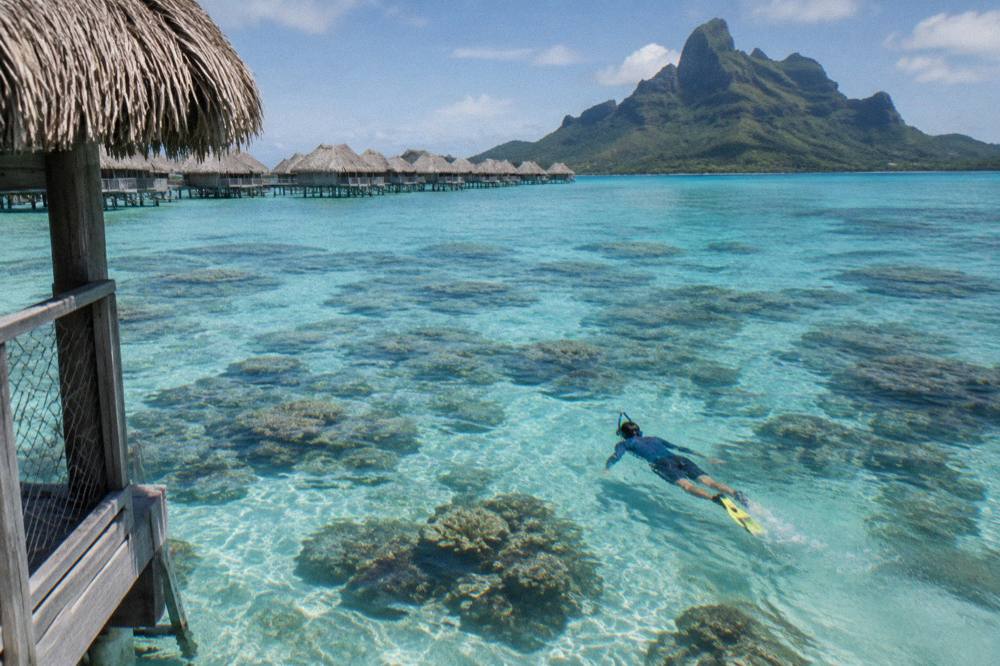
Two seasonal nuances are worth a final note. The coolest water, August and September, coincides with the driest weather, so the trade is a barely-cooler swim for the best surface conditions; most people consider that the best overall snorkeling window of the year. The warmest water, February and March, coincides with the wet season, suiting travelers who prioritize warmth and lower shoulder-season rates and accept variable days. Families weighing the same trade for children can read the month-by-month comfort angle in the Bora Bora snorkeling with kids article.
| Season | Months | Sea temperature (C) | Monthly rainfall (mm) | Snorkeling takeaway |
|---|---|---|---|---|
| Dry season | May to October | 26.7 to 28.2 | 61.9 to 112.0 | Calmest water, clearest descriptions, peak crowds in July and August |
| Wet season | November to April | 27.3 to 28.9 | 108.7 to 250.7 | Warmest water, squall risk, lower shoulder rates |
The last word goes to the reader's own calendar. There is no month in which the lagoon is too cold, no month in which the tours stop, and no month in which booking a lagoon day is a mistake. There are only wetter and drier months, and now you know exactly which are which. When you are ready to match a month to a boat, Bora Bora Snorkeling Tours keeps the full lineup with live prices and availability.
Common Questions About Bora Bora Water Temperature And Visibility
What is the water temperature in Bora Bora by month?
A secondary sea-temperature series puts the lagoon between 26.7 C and 28.9 C across the year: 28.4 C in January and February, 28.9 C in March, cooling through the middle of the year to 26.7 C in August and September, then rising again to 28.3 C in December. Every month is warm enough to snorkel without a wetsuit.
When is the best time to snorkel the Bora Bora lagoon?
May to October, the dry season, when Meteo-France records 61.9 to 112 mm of rain per month and operators describe the calmest, clearest water. July and August are the busiest and priciest months; May, June, September and October offer similar conditions with fewer crowds.
Does rain reduce visibility in the Bora Bora lagoon?
Heavy rain does reduce clarity, mainly through runoff and stirred sediment, and the wet season from November to April is described as more variable underwater for that reason. No official visibility measurement exists for Bora Bora, so treat clarity qualitatively rather than in meters.
Is Bora Bora warm enough to snorkel in every month?
Yes. The lagoon never drops below 26.7 C in the sea-temperature series, so no wetsuit is needed at any time of year. Sun protection and a rash guard matter more than thermal gear.
Do shark and ray snorkel tours run all year in Bora Bora?
They do. Blacktip reef sharks and rays are resident in the lagoon year-round, and the lineup's lagoon tours operate in every month. French Polynesia has protected all shark and ray species since 2006, and some listings state an explicit no-feeding eco policy.